

Types of agricultural nets and their applications
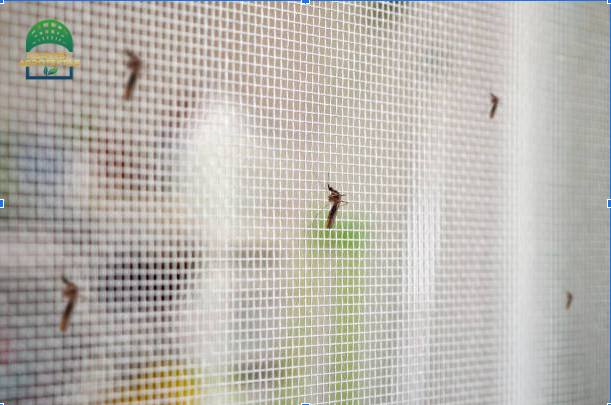
Beyond insect control, agricultural mesh a broader category that includes nets for shading, weather protection, and soil management also supports crop growth and sustainability. From fine mesh options that stop tiny pests to stronger nets that defend against birds or hail, each type serves a unique purpose.
Understanding the right insect-proof nets and agricultural mesh applications helps farmers choose the best solution for effective and eco-friendly plant protection.
Growing Demand for Agricultural Netting
Growing Demand for Agricultural Netting, the rise in global food production has increased the demand for reliable solutions to protect crops from insects, harsh weather, and weeds. Farmers are looking for practical, long-term alternatives to reduce the use of chemicals while still safeguarding their plants. Agricultural netting provides a natural barrier that addresses these challenges effectively.
Different nets serve different purposes, such as keeping pests away, limiting sunlight exposure, or even preventing bees from disturbing certain crops. Each type of insect-proof net brings unique benefits that make it suitable for specific regions, climates, and farming practices.
Anti-Insect Nets for Crop Protection
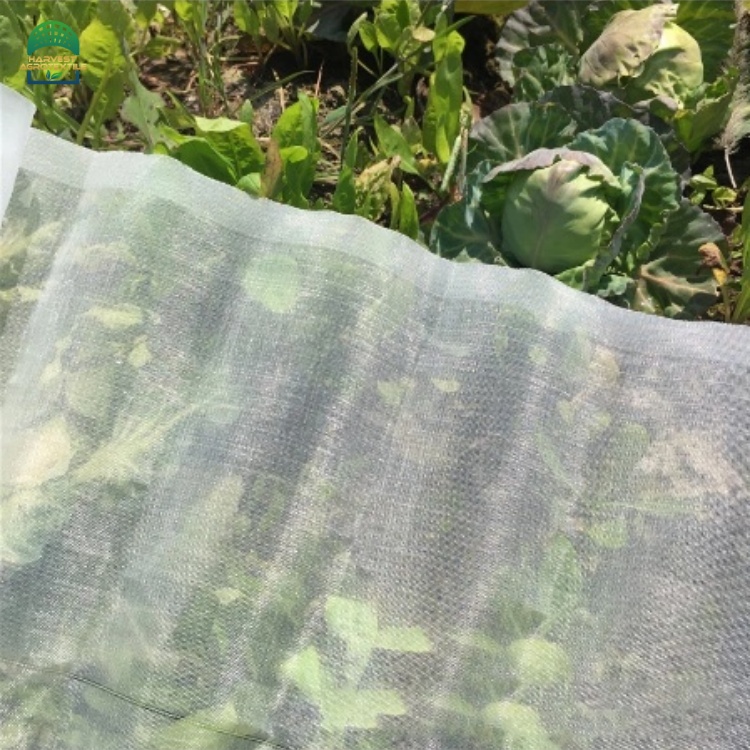
One of the most common and effective types of agricultural netting is the anti-insect net. These nets are made from high-quality, UV-stabilized polyethylene and feature a fine mesh that acts as a physical barrier against harmful insects such as whiteflies, aphids, thrips, leaf miners, and moths. By preventing these pests from reaching the plants, anti-insect nets help minimize crop damage and reduce the spread of viral and bacterial diseases transmitted by insects.
Farmers prefer anti-insect nets because they allow air, sunlight, and water to pass freely, ensuring that crops continue to grow naturally while staying protected. This makes them an ideal eco-friendly alternative to chemical pesticides, supporting both organic and sustainable farming practices. These nets are available in different mesh sizes, typically ranging from 25 to 50 mesh, depending on the target pest and crop type.
For example, finer meshes are used for small insects like thrips, while slightly larger meshes work well against moths and beetles. Anti-insect nets are widely used in vegetable farms, fruit orchards, nurseries, and greenhouse structures. They help maintain a stable growing environment, protect young seedlings, and improve overall yield quality.
By reducing pesticide usage, they also contribute to safer, healthier, and more marketable produce. In short, anti-insect nets are a cornerstone of modern integrated pest management, offering long-term protection, environmental benefits, and reliable performance across various crop systems.
Anti-Bee Netting for Pollination Control
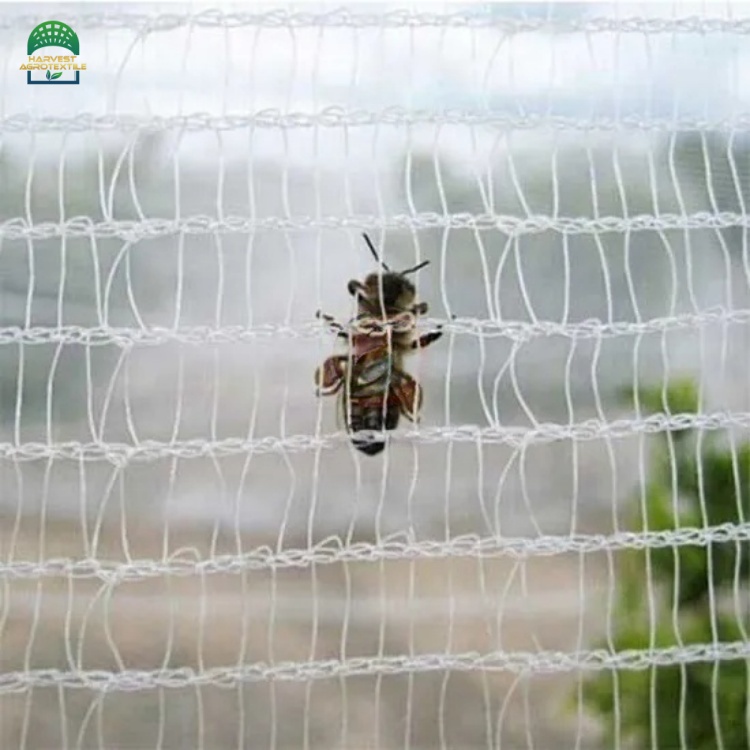
While bees are beneficial for pollination, there are situations where farmers need to control their access. Anti-bee netting is useful in crops where pollination must be managed carefully, such as seedless fruit production or research-based farming.
The mesh size of these nets is slightly larger than anti-insect nets but small enough to prevent bees and other larger insects from entering. This helps maintain crop quality and ensures that farmers achieve the desired fruiting results. Anti-bee netting is often used in vineyards, orchards, and areas where cross-pollination may affect the quality of the harvest.
Anti-Bird Netting for Crop Safety
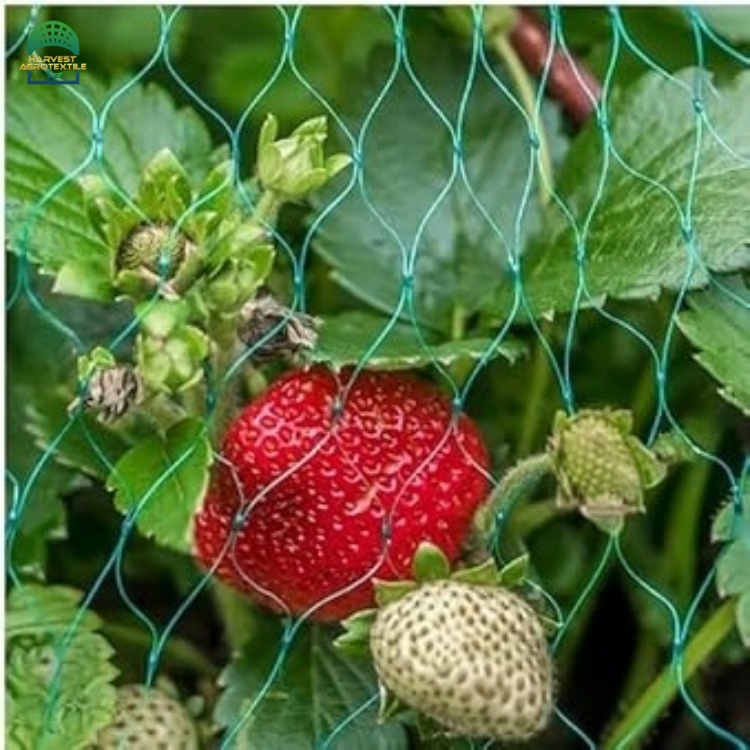
Birds, while an essential part of the ecosystem, can cause significant damage to agricultural crops by pecking at fruits, grains, and young seedlings. Anti-bird netting provides an effective, humane, and environmentally friendly way to prevent such losses. These nets act as a physical barrier that keeps birds away from crops without harming them, helping farmers protect their produce throughout critical growth and ripening stages.
Made from lightweight, UV-stabilized polyethylene (HDPE), anti-bird nets are designed to withstand sunlight, wind, and rain while maintaining flexibility and strength. They are available in various mesh sizes and thicknesses, allowing farmers to select the right protection level based on the type of birds common in their area—smaller mesh for sparrows and starlings, larger mesh for pigeons or crows.
Farmers and growers use anti-bird netting widely in fruit orchards, vineyards, berry farms, vegetable fields, and fish ponds. In aquaculture, these nets also prevent birds from feeding on fish stock, reducing economic losses. During the ripening season, anti-bird nets are especially valuable for protecting high-value crops like grapes, cherries, strawberries, and tomatoes.
Beyond preventing pecking damage, anti-bird nets also help reduce contamination from droppings, which can affect both the quality and safety of harvested produce. Because they allow free passage of air, light, and moisture, the nets do not disrupt the natural growing environment or hinder photosynthesis.
Anti-Hail Netting for Weather Protection
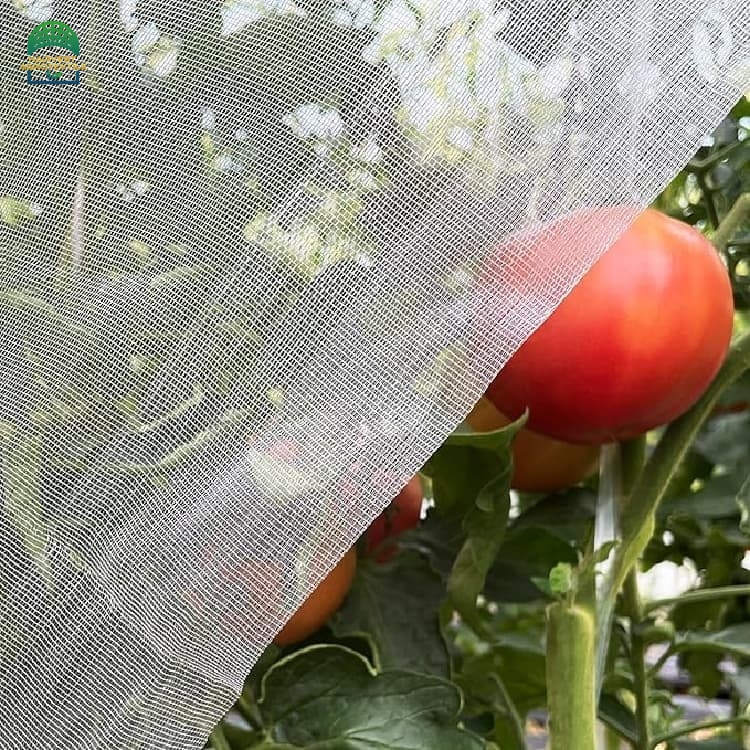
Anti-hail nets are specifically designed to shield crops from hailstorms, which can cause severe physical damage to leaves, stems, and fruits within minutes. Made from high-density polyethylene (HDPE), these nets are both strong and flexible, effectively absorbing the impact of hailstones and preventing breakage or bruising of crops. The mesh design disperses the force of falling hail, protecting even delicate fruits like apples, cherries, and grapes.
In addition to hail protection, these nets offer several secondary benefits. They provide partial shade, lowering the risk of sunburn on fruits, and help reduce wind speed, which minimizes mechanical damage and moisture loss. By creating a stable microclimate, anti-hail nets support consistent growth and healthier crops even under harsh weather conditions.
Anti-hail nets are widely used in orchards, vineyards, nurseries, and greenhouse structures, especially in regions prone to unpredictable storms and extreme weather. The nets can be installed horizontally over crops or on structural frameworks that cover entire plantations, depending on the crop type and terrain.
Modern anti-hail nets are UV-stabilized for long-term outdoor use and available in different mesh densities to balance protection with airflow and light transmission. Farmers appreciate their durability and multi-season lifespan, which make them a cost-effective investment for preventing weather-related losses.
By reducing crop damage, improving fruit quality, and extending the harvest season, anti-hail nets have become an essential component of climate-resilient agriculture, helping farmers safeguard their income and maintain consistent yields year after year.
Anti-Shade Nets for Climate Control
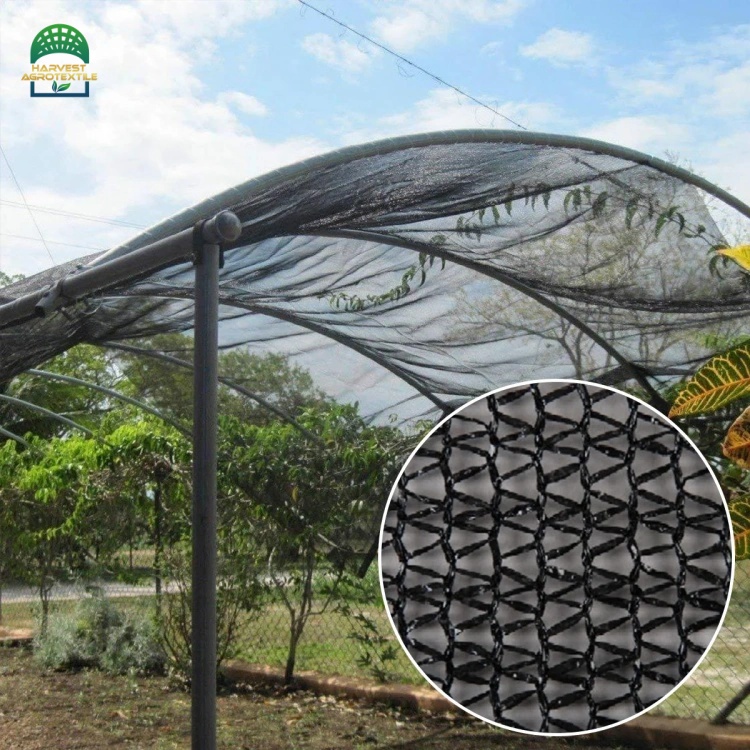
Managing sunlight exposure is vital in modern farming, especially in hot or semi-arid regions where intense heat can damage crops. Anti-shade nets help reduce the impact of direct sunlight, lower temperatures, and prevent leaf burn while maintaining airflow and moisture balance.
Made from UV-stabilized HDPE material, these nets are durable, lightweight, and available in various shading levels (30%–90%) to suit different crops. For example, orchids and leafy greens thrive under higher shade percentages, while sun-loving crops like tomatoes need moderate shade.
Different colors serve unique purposes—green for general use, black for maximum UV protection, white for light reflection and cooler environments, and red or blue to influence plant growth and flowering. Anti-shade nets are widely used in nurseries, floriculture, vegetable farms, orchards, and livestock shelters, creating a cooler, more stable microclimate.
They help reduce heat stress, water evaporation, and sun damage, resulting in healthier plants, improved yields, and extended growing seasons. Overall, anti-shade nets provide an efficient and eco-friendly way to manage climate conditions, enhance crop quality, and support sustainable farming practices.
Ground Cover (Anti-Weed Mats) for Soil Management
Ground covers, also known as anti-weed mats, are essential tools for maintaining soil health and controlling unwanted weed growth. Made from woven or non-woven polypropylene fabric, these durable mats create a physical barrier that blocks sunlight from reaching the soil surface, effectively preventing weed seeds from germinating.
Unlike plastic sheets, high-quality ground covers are permeable, allowing air, water, and nutrients to pass through to the soil. This ensures proper soil respiration, moisture retention, and healthy root development. By maintaining an even soil temperature and reducing evaporation, they also help conserve water—an important advantage in dry or arid regions.
Farmers and gardeners commonly use ground covers in orchards, nurseries, vineyards, greenhouses, and landscaped areas to reduce labor and herbicide costs. They are particularly useful around fruit trees and flower beds, keeping the area clean and reducing the risk of pests that thrive in weedy environments.
In addition to weed suppression, ground covers protect against soil erosion, improve the efficiency of irrigation systems, and help maintain cleaner, more accessible pathways for workers and equipment. Their UV-stabilized materials ensure long service life even under outdoor conditions, making them a cost-effective and eco-friendly solution for sustainable agriculture and horticulture.
Mesh Netting for Multi-Purpose Use
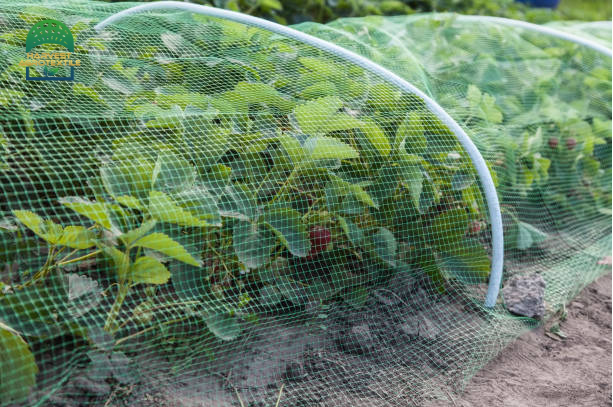
In addition to specialized nets, general mesh netting plays a versatile role in agriculture. These nets are strong and durable, making them suitable for multiple applications such as fencing, crop support, and even animal enclosures. Farmers often use them to protect young plants from birds or to provide climbing support for crops like beans and cucumbers.
Depending on the mesh size and material, they can be adapted to different environments and farming needs. Their flexibility makes them a valuable option for both small-scale gardeners and large agricultural enterprises.
Regional Applications and Suitability
The choice of insect-proof nets often depends on local conditions and the type of crops grown. In hot, dry areas, anti-shade nets and anti-insect nets are common to protect crops from both heat and pests. In temperate regions, anti-weed mats are more widely used to maintain soil health and reduce maintenance costs.
Vineyards and orchards in countries like Italy, Spain, and the United States often prefer anti-bee netting to control pollination. Meanwhile, Asian countries with intensive vegetable farming heavily rely on fine mesh anti-insect nets to reduce pest-related losses. This adaptability to regional needs makes agricultural netting a global necessity in modern farming.
Selling Points of Agricultural Netting
What makes agricultural netting highly attractive is its ability to reduce chemical dependency, extend crop life, and improve overall yield. Farmers also value nets for their durability, as most types are UV-stabilized and designed to withstand outdoor conditions for years. Another key selling point is their cost-effectiveness, since one-time installation often results in long-term savings by lowering pest control expenses.
Additionally, nets help meet the growing demand for organic produce by providing a natural method of crop protection without chemical residues. This makes them popular among commercial farms, greenhouse growers, and even household gardeners.
Environmental Benefits of Using Agricultural Nets

Beyond crop protection, agricultural nets also contribute to environmental sustainability. By reducing the need for pesticides and herbicides, they help lower chemical residues in soil and water sources. This not only protects ecosystems but also supports healthier food production.
Nets also reduce water loss by providing partial shade and lowering soil evaporation, which is especially important in water-scarce regions. Their reusable nature further minimizes waste, making them an eco-friendly option for farmers committed to sustainable practices.
Product Introduction and Practical Benefits
Each type of netting offers unique features tailored to specific challenges. Anti-insect nets provide fine protection against small pests, anti-bee netting ensures controlled pollination, and anti-weed mats suppress unwanted growth from the soil. Anti-shade nets help regulate temperature and protect against extreme sun exposure, while general mesh netting offers multi-purpose flexibility.
Together, these products support sustainable agriculture by improving efficiency, reducing environmental impact, and enhancing the quality of produce. Farmers can choose nets based on crop type, local climate, and intended purpose, making them a practical and reliable investment in modern agriculture.
Economic Advantages for Farmers
Investing in insect-proof nets may seem costly at first, but in the long run, they save farmers significant expenses. By cutting down on pesticide use, reducing labor needed for weed control, and minimizing crop losses, nets help increase profitability.
Many farmers also find that better crop quality leads to higher market value and stronger demand from consumers, especially in organic and export markets. This makes agricultural netting not just a protective tool, but also a way to strengthen financial returns.
Future Trends in Netting Technology
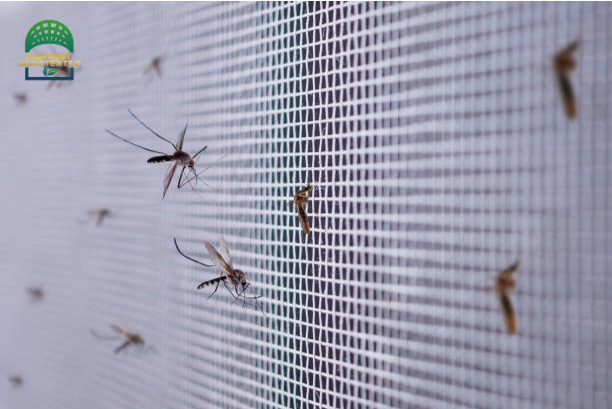
Future Trends in Netting Technology, the agricultural netting industry continues to evolve with innovations in design and materials. Manufacturers are now producing lighter yet stronger nets that last longer under extreme weather conditions. Some nets are being developed with special coatings to resist UV damage and microbial growth.
Others are tailored with specific mesh sizes to target certain pests without affecting airflow. As demand for organic and sustainable farming grows, future netting solutions are expected to combine durability with advanced features, offering farmers even more efficient ways to protect and improve their crops.
Practical Installation and Maintenance Tips
For nets to perform effectively, proper installation and upkeep are important. Nets should be fitted tightly to prevent gaps where pests can enter, and supporting structures must be strong enough to withstand wind or heavy rainfall.
Regular cleaning helps maintain airflow and prevents blockages from dust or plant debris. Storing nets correctly during off-seasons also extends their lifespan. With basic maintenance, most nets can last for years, offering consistent protection and value for money.
AgroTextileNet and Its Role in Modern Farming
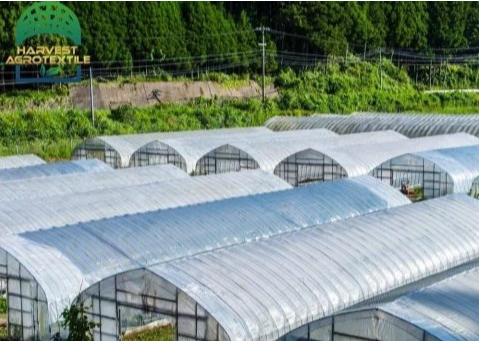
AgroTextileNet, managed by Anhui Harvest Agrotextile Co., Ltd., is a well-established supplier with over two decades of experience in producing agricultural textiles. Their catalog includes anti-insect nets, anti-bee netting, anti-shade nets, anti-hail nets, ground covers, and other mesh products designed for farming and horticulture.
With a focus on quality, durability, and global service, they provide solutions that match the needs of modern agriculture. As noted by the company, “Our agricultural net is an effective physical defense strategy to support the development of organic farms (chemical pesticides are not allowed).”
Connecting this to our discussion, the nets they offer represent the very types we explored each designed to protect crops, control growing conditions, and improve harvests. This makes AgroTextileNet a practical example of how insect-proof nets move from concept to application in real farming systems.
Conclusion
Insect-proof nets and related agricultural mesh products have become essential tools for today’s farmers. They address a wide range of challenges, from pest control to climate management, all while promoting healthier and more sustainable farming practices.
By selecting the right type of net for each situation, growers can protect their crops, improve yields, and reduce dependency on chemicals. Whether it is anti-insect nets, anti-bee netting, anti-weed mats, anti-shade nets, or multi-purpose mesh netting, these solutions continue to prove their value in agriculture across different regions and farming systems.
Meta Description
Explore the Types of insect-proof nets and their applications in farming, gardening, and pest control to protect crops and improve yields.