


-
HOME
-
ABOUT US
-
ꀁ
PRODUCT
- Agriculture Nets& Floriculture Nets
- Anti insect netting
- Anti shade netting
- Anti bee netting
- Anti hail netting
- Anti bird netting
- Olive netting
- Plant support netting
- Ground cover
- Mulch film
- Shade sail
- Bale wrap netting
- Silage film
- Greenhouse film
- Mesh bag
- Flower protection netting
- Flower harvest netting
- Construction Nets
- Scaffolding netting
- Safety netting
- Privacy fence
- Warning netting
- Industrial Nets
- Blanket netting
- Geotextile
- Geomembrane
- Silo Bag
- Sport Nets & Aquaculture Nets
- Ball netting
- Stadium netting
- Anti escape netting
- Square & diamond netting
- Accessories
- Shade net clips
- Ground nail
- Plant grafting tape
- Silicon tube
- Stitching Pins
- Plastic labels
-
NEWS
- Industry knowledge
- Product Promotion
- Greenhouse
- Nursery
- Fruit Grower
- Construction
- Floriculture
- Aquaculture
- Sports
- Industry
- company news
-
CONTACT US
-
HOME
-
ABOUT US
-
ꀁ
PRODUCT
- Agriculture Nets& Floriculture Nets
- Anti insect netting
- Anti shade netting
- Anti bee netting
- Anti hail netting
- Anti bird netting
- Olive netting
- Plant support netting
- Ground cover
- Mulch film
- Shade sail
- Bale wrap netting
- Silage film
- Greenhouse film
- Mesh bag
- Flower protection netting
- Flower harvest netting
- Construction Nets
- Scaffolding netting
- Safety netting
- Privacy fence
- Warning netting
- Industrial Nets
- Blanket netting
- Geotextile
- Geomembrane
- Silo Bag
- Sport Nets & Aquaculture Nets
- Ball netting
- Stadium netting
- Anti escape netting
- Square & diamond netting
- Accessories
- Shade net clips
- Ground nail
- Plant grafting tape
- Silicon tube
- Stitching Pins
- Plastic labels
-
NEWS
- Industry knowledge
- Product Promotion
- Greenhouse
- Nursery
- Fruit Grower
- Construction
- Floriculture
- Aquaculture
- Sports
- Industry
- company news
-
CONTACT US
Grape root gall aphid appears in Colorado and other areas
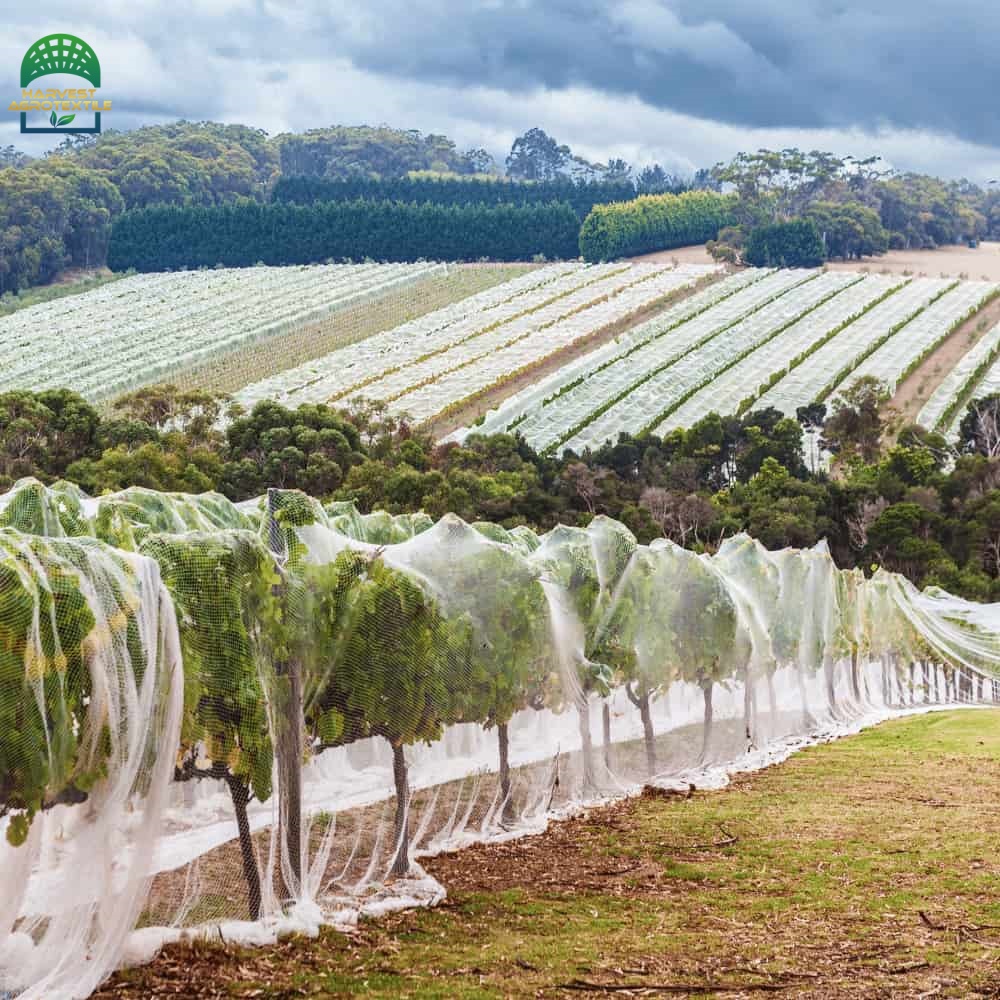
Battling Grape Phylloxera in Colorado Vineyards: Sustainable Pest Control with Insect Nets
In recent months, vineyards across Colorado’s Western Slope have faced a serious agricultural challenge — the spread of grape phylloxera, a tiny but devastating root-feeding insect. Known scientifically as Daktulosphaira vitifoliae, this pest has already impacted vineyards in California, Oregon, and Washington, and now threatens newer grape-growing regions once considered safe.
The insect attacks grapevine roots and leaves, causing nodules that block water and nutrient flow. Over time, vines lose vigor and eventually die if unmanaged. The situation in Colorado demonstrates how climate change and increased plant movement are reshaping pest geography, allowing phylloxera to survive even in high-altitude vineyards once thought protected by cold winters.
Smart Prevention: Insect Nets and Integrated Pest Control
As vineyard managers rethink long-term protection strategies, physical pest barriers are gaining importance alongside traditional rootstock resistance. The use of an insect net for orchard has become a proven method to block invasive insects from entering vineyard zones. These nets act as lightweight, durable shields that reduce pest movement between grapevines and neighboring fruit crops.
Inside nurseries and propagation areas, the greenhouse insect net plays a vital role. It prevents tiny crawling or flying insects from entering controlled environments where young vines are raised. Proper ventilation and UV-stable mesh design make these nets suitable for year-round vineyard management.
For outdoor pest traps, many growers now combine fly traps insect net with pheromone or sticky traps to capture flying insects like fruit flies, moths, and beetles that can weaken or stress vines. This integrated approach reduces reliance on chemical sprays and protects pollinators in the surrounding ecosystem.
Another innovative solution is the pest control killer net — a specialized mesh treated for long-lasting protection against vineyard pests. These nets serve as both physical barriers and deterrents, minimizing soil contamination while improving sustainability.
Sustainable Vineyard Protection: Fruit Tree Net and Beyond
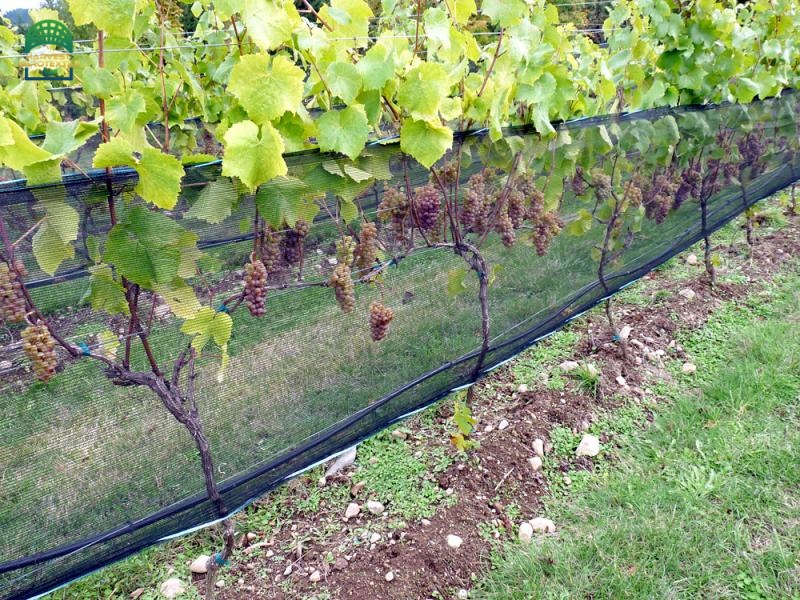
The fruit tree net, originally designed for orchards, is now being adapted for vineyards. It offers protection not only during grape harvest but also during early growth stages when vines are most vulnerable. Farmers also use it to shield nearby fruit trees such as olives, peaches, or apples from pests migrating from one crop to another.
In Colorado, Oregon, and the Mediterranean, combining insect net for orchard systems with good field hygiene — such as cleaning machinery and limiting soil transfer — has proven effective in slowing pest spread. Researchers from Colorado State University and UC Davis recommend these physical methods as essential components of sustainable pest control in vineyards.
Looking Ahead
The reappearance of grape phylloxera across the U.S. and other wine-producing regions is a powerful reminder that modern agriculture requires innovation and adaptability. By integrating insect netting systems like greenhouse insect nets, fly traps insect nets, pest control killer nets, and fruit tree nets, vineyards can reduce chemical dependence and safeguard grape production for future generations.
Sustainability is no longer optional — it’s the foundation for resilient viticulture. From the mountain vineyards of Colorado to the sunlit fields of Spain and Italy, these smart netting technologies represent the next step in protecting the roots of the world’s wine culture.
NAVIGATION
—