

Protecting Cherry Blossoms: Why Rainproof Film Matters More Than You Think
flowers. When raindrops hit cherry blossoms, water clings to the petals, and in the cool temperatures typical of early spring, that moisture persists. Within hours, conditions can become favorable for brown rot, gray mold, or bacterial canker. These diseases progress rapidly, spreading from flower to flower thereby potentially creating orchard-wide problems.
Even when disease doesn't develop, wet blossoms face another significant challenge: poor pollination. Bees and other pollinators remain inactive during rain. The window for effective pollination is narrow—typically just a few days. Missing this window due to inclement weather eliminates the opportunity for fruit development that season.
Physical damage presents an additional concern. Heavy rain can dislodge petals from trees. While the resulting carpet of pink and white on the ground may be visually appealing, each fallen petal represents fruit that will never develop.
Why Traditional Solutions Fall Short
Many growers have experimented with tarps or makeshift shelter systems. While these approaches can provide temporary protection, they come with serious drawbacks.
Standard tarps aren't designed for agricultural applications. They're heavy, trap excessive heat, block light, and present installation challenges—particularly when unexpected storms arrive in the middle of the night. Extended use creates additional problems: poor air circulation, heat buildup, and reduced photosynthesis.
Generic plastic sheeting represents an improvement over tarps but still lacks the engineering required for cherry cultivation. It tears easily in wind, creates condensation issues, and often provides inadequate UV protection for extended deployment.
What Makes Rainproof Film Different
Specialized rainproof film for cherry trees addresses these limitations through purpose-built design. Companies like Anhui Harvest Agrotextile Co., Ltd. have developed materials specifically engineered for the unique challenges of cherry cultivation.
Quality canopy waterproof rainproof windproof systems share several critical characteristics.
Material selection is paramount. PEVA film has become the industry standard for many growers. Unlike standard polyethylene, PEVA offers superior flexibility even in cold temperatures and this is essential since installation typically occurs in early spring when nighttime temperatures remain low. This prevents the brittleness and cracking that plague inferior materials.
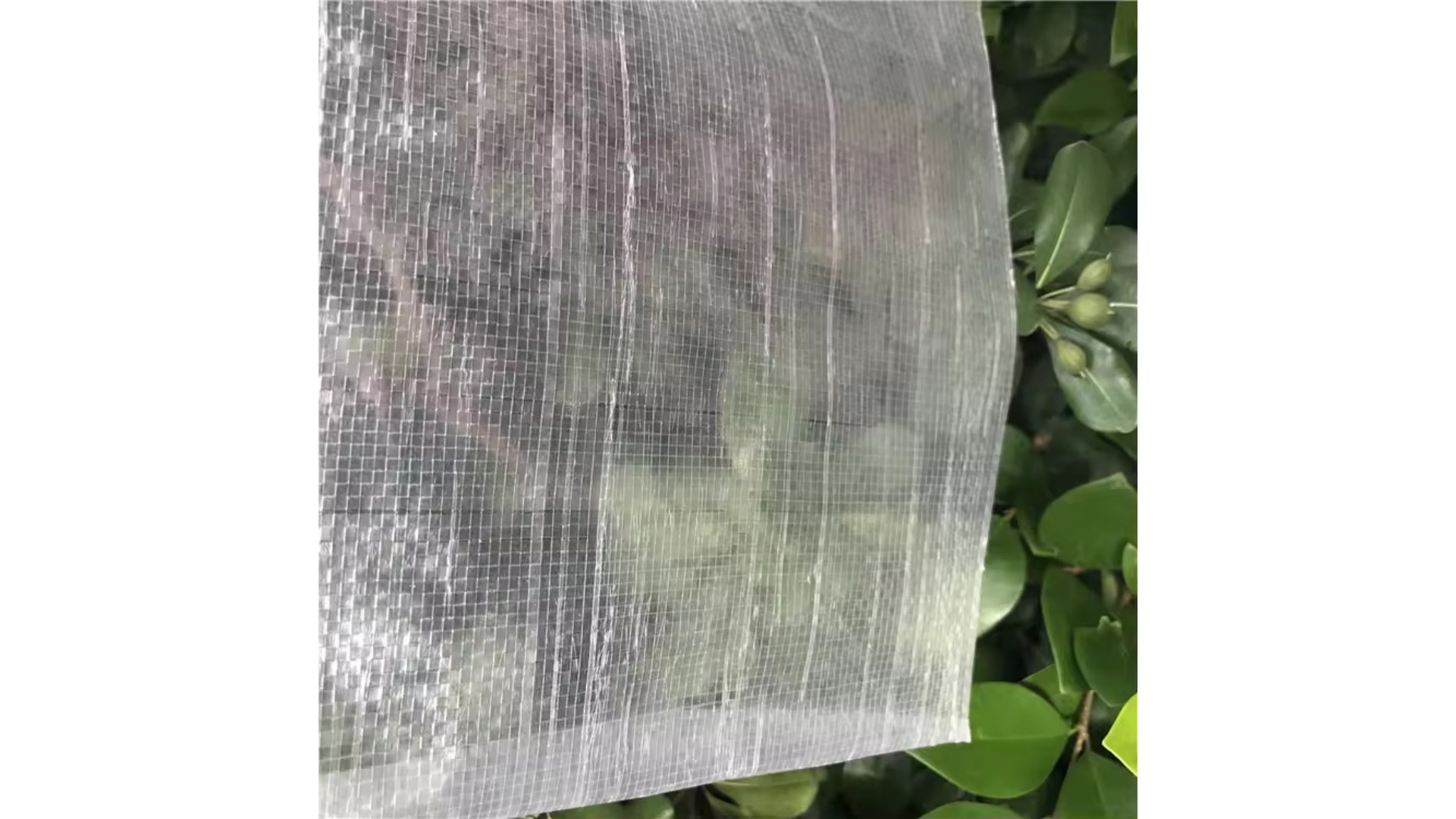
Grey PEVA film options offer particular advantages. While counter-intuitive compared to clear film, grey film provides excellent rain protection while moderating light intensity. This proves beneficial in regions with intense spring sun, where protection from both rain and excessive heat stress becomes necessary.
The practical 1~1.5m width range has become standard for several reasons. The dimensions remain manageable without requiring large installation crews. Coverage proves adequate for standard tree spacing. Installation and removal can be accomplished efficiently—crucial since rapid response to changing weather conditions is essential.
The Transparency Factor
Light transmission represents a critical but often overlooked specification. Trees require continued photosynthesis. Flowers need warmth for development. Excessive light blocking trades rain damage for other complications.
Optimal transparency canopy waterproof rainproof windproof films maintain 80-90% light transmission. This balance allows adequate sunlight while providing complete rain protection. Manufacturers typically specify light transmission percentages, and attention to these numbers pays dividends in crop performance.
Blue dripless plastic film represents an alternative approach worth consideration. The blue tint provides UV filtering, protecting sensitive blossoms from sun scald on bright days following rainy periods. The dripless feature proves equally important. Standard plastic film develops condensation on its underside, which then drips onto blossoms—essentially recreating the wet conditions growers seek to prevent. Dripless technology incorporates additives that cause condensation to spread into thin sheets rather than forming droplets. Water then runs down film edges instead of dripping onto crops.
Installation Strategies That Actually Work
Possessing appropriate film represents only half the solution. Installation methodology is equally a very important lesson often learned through experience with improvised rain protection systems.
Rapid deployment capability is essential. Weather doesn't accommodate convenient timing. When forecasts change and rain approaches within twelve hours, protection must be deployable quickly.
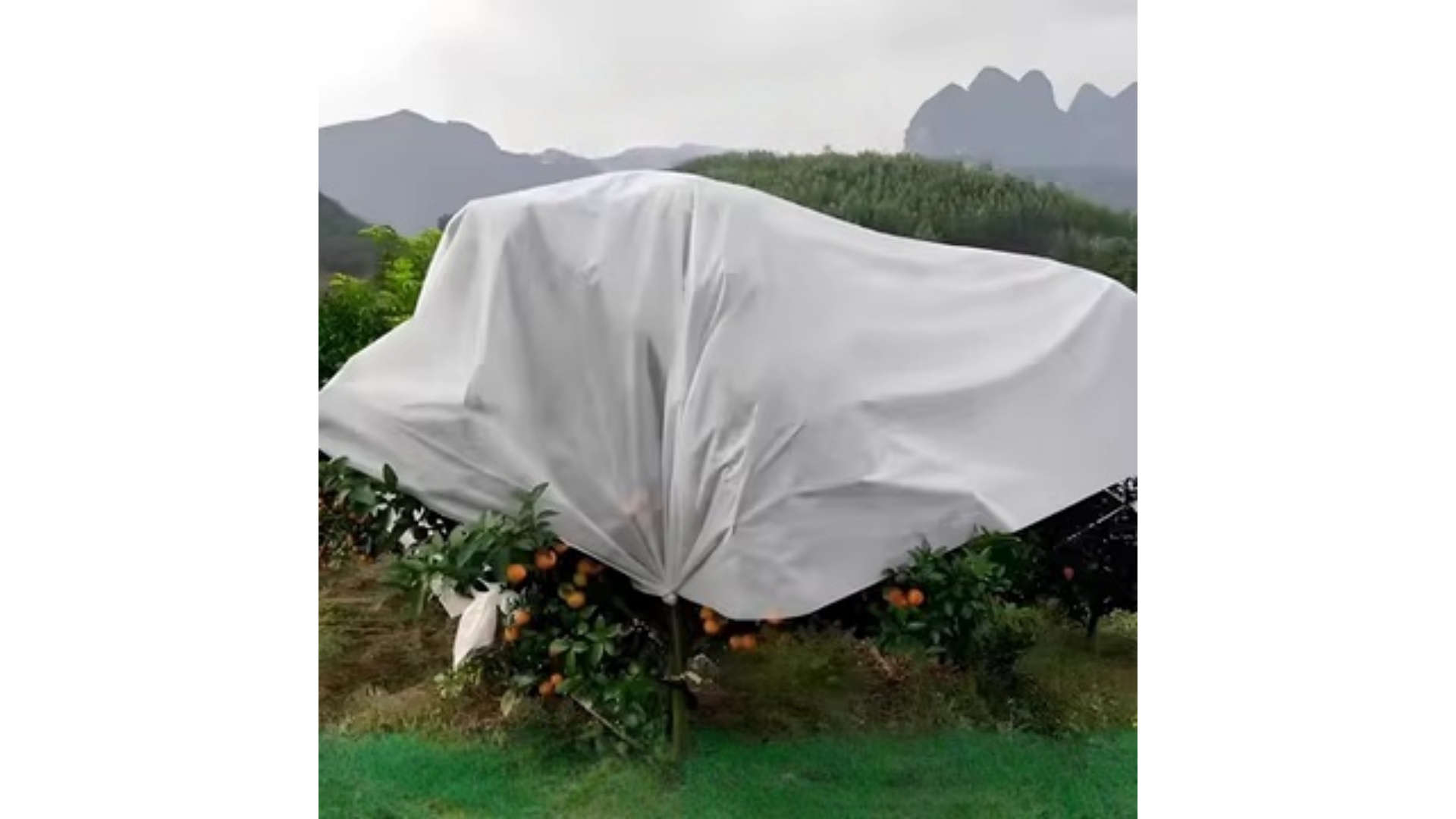
Most successful systems employ semi-permanent frameworks with removable film. Support wires or frames are installed early in the season—ideally before bud break. When rain threatens, film is rolled out and secured. After precipitation passes, film can be rolled back to restore full sun exposure and air circulation.
Framework typically consists of wire tensioned between posts at heights clearing the canopy by 12-18 inches. This spacing prevents branches from rubbing against film while maintaining system manageability.
Film should be secured with clips or ties enabling quick attachment and removal. Some operations use bungee cords for edges—these allow flexibility in wind while maintaining tension. Others prefer ratchet straps for larger installations.
Wind resistance often receives insufficient consideration. Protection extends beyond rain—windproof performance proves equally important. Storms that tear coverings loose overnight provide no benefit. Proper securing at 6-8 foot intervals along edges, combined with periodic tie-downs across spans, maintains film position during typical spring weather events.
Managing the Microclimate
Film installation creates a modified environment. While this is beneficial for rain protection, other environmental factors require careful management.
Temperature is often the primary concern. On sunny days, even cool spring days, temperatures under plastic film can spike rapidly and during this time, monitoring becomes essential. Sustained temperatures above 80°F stress blossoms and reduce fruit set. Many growers employ wireless thermometers to track conditions under film.
When temperatures climb excessively, several options exist. Sections of film can be rolled back to increase airflow. Shade cloth can be deployed over film during particularly hot conditions. Alternatively, grey PEVA film naturally moderates temperature more effectively than clear films.
Humidity requires similar attention. While rain is excluded, air circulation is reduced. This can elevate humidity under film, potentially promoting disease as effectively as rain itself. The solution involves removing or rolling back film whenever conditions permit. Continuous 24/7 coverage for weeks proves counterproductive. Strategic deployment during rain events and high-probability periods yields better results.
Real-World Performance Expectations
Quantifiable improvements provide the most compelling argument for rainproof film systems.
Most growers report fruit set improvements of 20-40% in rainy seasons compared to unprotected trees. For operations where rain historically costs a third of potential crop, proper rain protection recovers most of that loss.
Disease pressure typically drops even more dramatically—often by 50-70%. Keeping blossoms dry eliminates the primary infection pathway for most blossom-season diseases. Standard disease management programs remain necessary, but operations start from a significantly better baseline.
The payback period for quality rainproof film systems typically runs 2-3 years for commercial operations. For smaller, high-value plantings—such as U-pick operations or specialty varieties—payback can occur within a single season.
Practical Considerations for Different Growing Situations
Specific circumstances influence appropriate approaches to rainproof film protection.
Commercial orchards with standardized row spacing benefit from systematic approaches. Permanent support structures installed over priority blocks—typically earliest or highest-value varieties—enable rapid film deployment when needed. Film rolls remain ready, and crews receive training in rapid installation procedures.
Smaller operations or home orchards often benefit from more flexible approaches. Semi-permanent hoops over individual trees or small groups, with film that clips on quickly, work well. This system can protect select high-value trees rather than requiring complete coverage.
Organic operations must verify chosen film materials meet organic production standards. Most PEVA and HDPE films qualify, but certification verification remains prudent. Rainproof film functions as a purely physical barrier—no chemical concerns exist.
Sourcing Quality Materials
Quality varies significantly among rainproof waterproof film manufacturers and suppliers.
When evaluating options, films specifically marketed for agricultural use should receive priority. These include appropriate UV stabilization—critical for any film exposed to sunlight. Without UV stabilization, plastic film degrades rapidly, sometimes within a single season.
Thickness matters substantially. For cherry blossom protection, films in the 100-150 micron range typically prove optimal. Thinner materials present durability issues. Thicker films become unnecessarily heavy and difficult to handle.
Working with established agricultural textile companies ensures access to materials designed for specific applications. Anhui Harvest Agrotextile Co., Ltd. specializes in these products—understanding the specific requirements of fruit tree protection and engineering materials accordingly. Their complete range of agricultural films and protective materials is available at www.agrotextilenet.com.
Long-Term Maintenance and Storage
Rainproof film represents an investment. Proper care significantly extends useful life.
After each use, film should be cleaned before storage. Dirt and organic matter left on film promotes degradation during storage. Simple water rinsing typically suffices. Complete drying before folding and storing prevents problems.
Film should be stored in cool, dark locations. UV exposure and heat represent primary degradation factors for plastic films. Barns or sheds prove ideal. Storage on concrete floors where moisture accumulates should be avoided—pallets or shelving provide better alternatives.
Quality agricultural films typically last 3-5 seasons with proper care. Replacement becomes necessary when significant clouding, brittleness, or tearing appears. Film failure during critical rain events costs far more than scheduled replacement.
Looking Forward
Rain protection for cherry blossoms is transitioning from optional to essential. As climate patterns shift and weather becomes less predictable, the ability to protect crops during vulnerable periods increases in value.
Technology continues advancing. New film formulations offer improved performance, extended life, and easier handling. Installation systems become increasingly user-friendly. As adoption grows, collective knowledge about best practices expands.
The question isn't whether damaging rain will occur during blossom season. The question is when. Having deployment-ready systems means preparedness rather than reaction. In agriculture, preparedness typically correlates with profitability.
Cherry trees represent years of investment and care. Protecting them during their most vulnerable period makes fundamental sense. With appropriate rainproof waterproof film systems in place, growers need not simply hope for favorable weather because they are equipped to manage whatever spring delivers.