


Crop protection against birds
The damage extends far beyond what birds eat. They peck one cherry then move to another, ruining ten pieces to consume one. Grapes, blueberries, strawberries, and sunflowers face the worst attacks. Without protection, some vineyard operators lose 95 percent of red varieties and 60 percent of white varieties.
Woven bird nets offer the only proven physical barrier solution. Unlike noise makers, scarecrows, or chemical sprays, netting works consistently without birds adapting. When properly installed and maintained, quality nets protect crops for 5 to 10 years.

What Are Woven Bird Nets
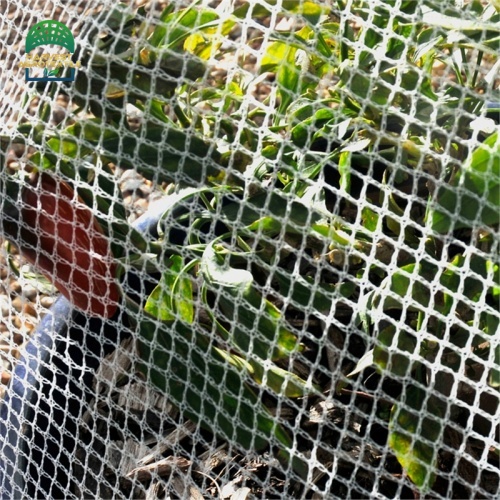
Woven bird nets are mesh barriers manufactured from high density polyethylene. Producers weave or knit plastic monofilament into square or diamond patterns. The resulting fabric combines flexibility, strength, and weather resistance.
The manufacturing method determines the net structure. True woven nets cross threads at right angles. Knitted nets interlock loops of thread. Both serve the same protective purpose but differ in structural properties and durability.
High density polyethylene dominates agricultural netting. This plastic polymer resists UV rays, moisture, and temperature extremes. Manufacturers add UV inhibitors during production to extend outdoor lifespan. Black netting uses carbon black as the UV protector, offering superior sun resistance compared to other colors.
Woven nets outlast their extruded alternatives. Extruded netting forms when melted plastic pushes through dies. The process creates lighter, cheaper options with shorter lifespans. Woven and knitted nets use monofilament threads with higher tensile strength. Professional operations choose these for their decade long durability.
Green and white nets serve specific purposes. Green blends into garden settings. White nets provide dual functionality as bird and hail protection. The visible white barrier also helps birds recognize the obstacle, reducing entanglement risks.
Why Farmers Need Bird Protection
A single bird can eat about 15 grams of sunflower seed daily. Sunflower producers in North Dakota and South Dakota lose 4 to 7 million dollars annually from blackbirds and grackles.
Cherry growers in New York report over 6 million dollars yearly in combined losses across cherry, blueberry, and apple crops. Michigan blueberry farmers watch 30 percent of their harvest disappear. Research confirms vineyard losses reach 95 percent for red varieties without intervention.
Birds target crops at peak value, waiting until fruit ripens to maximum sweetness. Starlings, blackbirds, crows, pigeons, sparrows, parakeets, and mynas cause most damage worldwide. Rose ringed parakeets in India destroy 10 to 40 percent of sunflower crops, reaching 90 percent in isolated fields.
Birds peck multiple pieces rather than finishing one fruit. A flock of 100 birds can destroy 1,000 strawberries in an afternoon, taking single bites from each. Damaged produce cannot be sold fresh. Even minor pecks render fruit unmarketable and prone to rot.
Bird droppings create food safety hazards. Fecal material carries bacteria and pathogens, creating contamination risks under the Food Safety and Modernization Act. Growers face penalties and recall orders when bird waste contacts harvest areas.
Pre harvest attacks happen fast. Research shows birds destroy 60 to 70 percent of crops in days. One farmer in Punjab watched birds reduce crop yield by 55 percent before harvest. The window between ripening and destruction measures in hours.
Key Benefits of Woven Bird Nets
Physical barriers work when other methods fail. Nets create impenetrable shields when properly installed, preventing birds from reaching crops. This provides round the clock protection without active monitoring.
Quality woven nets made of high density polyethylene with UV stabilization last 5 to 10 years, withstanding outdoor conditions season after season. The material resists rot, rust, and weather degradation.
Initial investment ranges from 2,500 to 6,000 dollars per hectare (25 to 60 cents per square meter). Most operations recover costs within two seasons through eliminated crop losses. After year three, protection costs nothing while continuing to save thousands.
Netting provides humane bird control without killing wildlife. The nets exclude birds without harming them, aligning with conservation values and regulatory requirements. Chemical deterrents poison birds, soil, and water. Electronic devices fail when birds adapt. Netting remains effective indefinitely.
Nets allow normal plant growth. The mesh permits sunlight, rain, and air circulation. Bees and beneficial insects pass through mesh sizes of 15 to 25 millimeters. Worker bees measure approximately 12 millimeters and easily access flowers for pollination.
Installation flexibility suits different operations. Nets work for individual fruit trees, berry bushes, vineyard rows, or large field crops. They install over frames, drape directly over plants, or suspend from overhead cable systems, adapting to specific layout and budget.
Polyethylene outperforms polypropylene and nylon. PE material lasts longer without rotting or deteriorating. The strength to weight ratio makes nets manageable during installation yet durable for commercial agriculture. Professional suppliers report nets surviving ten seasons with proper maintenance.
Nets create microclimates that control temperature extremes. Some farmers report improved fruit quality from reduced sun stress. The barrier also blocks hail in many configurations. White nets double as frost protection during vulnerable spring growth.
Types and Specifications Of Woven Net
Mesh size determines bird exclusion effectiveness:
-
Quarter inch mesh blocks the smallest species
-
Half inch mesh stops medium sized birds
-
Three quarter inch mesh (most common) excludes pigeons, starlings, and most pest birds while maintaining good airflow
Target species determines mesh selection. Sparrows require finer mesh than crows. Finches and small songbirds need quarter inch protection. Pigeons and larger species require three quarter inch barriers.
Black nets dominate agricultural applications. Carbon black UV inhibitors provide maximum sun protection. Black color makes nets less visible against foliage, reducing visual impact. Green nets blend into garden settings. White nets serve dual purposes in orchards where hail protection matters.
Net weight measures in grams per square meter (g/m²). Heavier nets offer more strength and longer lifespans. Commercial grade nets typically weigh 21 to 25 grams per square meter for 50 millimeter mesh. Professional operations choose heavier, more durable options.
Standard widths range from 2 to 13 meters. Lengths extend from 10 to 200 meters per roll. Custom nets fit specific row lengths or tree dimensions, eliminating waste and simplifying installation.
Knitted versus knotted construction affects performance. Knitted nets use interlocked loops without knots—lighter and more flexible. Knotted nets have tied junctions at each intersection, providing higher tensile strength and better durability. Professional agriculture typically uses knotted HDPE nets for maximum lifespan.
Installation Guide
Poor installation causes most netting failures. Gaps allow bird entry. Sagging creates weak points. Loose edges let birds burrow underneath.
-
Measure accurately. Calculate net requirements and order 10 to 15 percent more material for securing edges and wrapping around support structures.
-
Choose a support structure. Options include wooden posts, metal poles, wire cable systems, or existing greenhouse frames. For fruit trees, measure circumference and allow one foot extra. For row crops, install posts every 3 to 6 meters.
-
Install anchor points. Corner anchors carry the most weight. Space intermediate anchors based on bird size: 100 centimeter spacing for pigeons, 60 centimeters for starlings, 30 centimeters for sparrows. Tighter spacing prevents birds from landing on nets and reaching through to feed.
Run support cables. Use galvanized or stainless steel wire rope. Stainless steel resists corrosion better in coastal or humid climates. Thread cable through corner fixings and secure with ferrules. Install barrel strainers at corners to adjust tension.
- Never install in the wind. Strong breezes tangle nets and make installation impossible. Choose calm days. Early mornings often offer the best conditions.
-
Unfold and identify corners. Lay the net flat and locate all four corners to prevent tangles. Color coded tags on commercial nets help orient material correctly.
-
Secure edges. Attach a net to support wires using hog rings or UV resistant cable ties. Fasten every 30 to 50 centimeters along perimeter edges. Start at a corner and maintain even tension.
-
Maintain distance from crops. Leave 15 to 20 centimeters between crops and netting. This gap prevents birds from sitting on nets and feeding through mesh.
-
Secure bottom edges. Bury edges in soil, weigh down with gravel tubes, or anchor with ground stakes every 6 meters. Pay special attention to corners where gaps often form.
-
Create access points. Cut small openings or install zippers where needed to reach crops. Close access points after each use. Plan access locations before installation.
-
Check for gaps. Walk the perimeter and inspect all edges, corners, and connection points. Look for sagging sections. Tighten loose areas and add fasteners where needed.
Maintenance and Care
Regular habits of inspection catches problems early. You'll need to check the nets every few months during the growing season. Simply look for tears, holes, sagging sections, or loose anchor points. Any small damage can expand quickly if ignored. Address any issue caught on immediately to maintain maximum protection.
-
Remove debris regularly. Leaves, twigs, and bird droppings accumulate, adding weight and trapping moisture. Use a soft brush or broom to clear debris. For stubborn deposits, rinse with a garden hose on low pressure. Never use pressure washers—high pressure water damages netting material.
-
Clean when needed. Mix warm water with gentle soap and use a soft sponge to clean soiled areas. Rinse thoroughly and let air dry completely before storage. Avoid harsh chemicals like bleach and strong solvents—they degrade polyethylene fibers and strip UV protection.
-
Repair tears promptly. Small holes grow larger as birds work them. Use cable ties or repair kits to close openings immediately. For extensive damage, replace the affected section.
-
Inspect and tighten anchor points. Fasteners loosen over time from wind and weight. Check hooks, clips, and ties regularly. Replace rusted or corroded components.
-
Monitor for UV damage. After several years, polyethylene becomes brittle from sun exposure. When material feels dry and brittle, replacement becomes necessary. Most quality nets last 5 to 10 years. Some operators report 12 year lifespans with exceptional maintenance.
-
Store properly during the off season. Clean thoroughly before storage. Remove all debris, droppings, and vegetation. Let nets dry completely to prevent mildew. Roll nets loosely rather than folding to avoid permanent creases. Store in a cool, dry location away from direct sunlight.
-
Address seasonal challenges. Clear snow and ice during winter—added weight can cause permanent damage. During spring and summer, inspect for storm damage. High winds stress anchor points.
How to Choose the Right Woven Bird Net
Match mesh size to bird species. Three quarter inch mesh handles most agricultural situations. For tiny birds like finches, choose a half inch or smaller mesh.
Consider crop type and growth habit. Grapes and berries work well with overhead netting systems. Fruit trees need individual draping or canopy coverage. Field crops might require large scale suspended installations.
Evaluate climate conditions. Hot, sunny regions need UV stabilized material with strong inhibitors. Coastal areas require corrosion resistant hardware. Humid climates benefit from mildew resistant materials.
Quality indicators: high density polyethylene construction, UV stabilization specifications, and 5 to 10 year warranties. Heavier nets with higher gram per square meter ratings last longer.
Anhui Harvest Agrotextile Co., Ltd produces quality woven bird nets backed by over 20 years of manufacturing experience. Their anti bird netting combines high density polyethylene construction with UV stabilization for extended outdoor durability. The netting features high stretch capability while maintaining strength. Professional growers in over 100 countries use their products. Visit https://www.agrotextilenet.com/ to view specifications and request samples.
Consider complete installation kits. Some manufacturers offer packages including nets, cables, anchors, fasteners, and tools. Kits simplify purchasing and ensure compatible components.
Budget for installation materials beyond the net itself: posts, cables, anchors, fasteners, and tools. Installation costs can equal or exceed net costs.
Test before large scale purchase. Order a small quantity to evaluate quality, ease of installation, and performance. Start with a high value crop area.
Read manufacturer specifications carefully. Verify mesh size, material composition, UV rating, and warranty terms. Compare multiple suppliers. Specifications vary widely even among professional grade products.
Common Mistakes With The Woven Net
Ordering insufficient netting. Measure carefully and add 10 to 15 percent extra. Running short mid installation forces compromises.
Installing nets too close to crops. Birds land on nets and reach fruit underneath. Maintain 15 to 20 centimeter spacing between nets and plants.
Loose bottom edges. Birds walk underneath. Secure all bottom edges with buried sections, weights, or stakes. Check corners twice.
Ignoring wind during installation. Wait for calm conditions. Wind creates tangles and stress.
Forgetting access points for harvest. Plan openings before installation. Cutting random holes later weakens net structure and creates bird entry points.
Skipping regular inspections. Check nets monthly during the season. Small problems become big ones when ignored.
Using cheap nets to save money. They fail early and need replacement. Buy quality once rather than cheap twice.
Neglecting off season storage. Nets left outside degrade faster. Store properly each year to maximize lifespan.
Making the Right Investment
Woven bird nets protect crops when properly selected, installed, and maintained. The physical barrier stops bird damage without environmental harm. Initial costs recover through eliminated losses.
Choose quality materials designed for agricultural use. Match specifications to your crops, birds, and climate. Install carefully to eliminate entry gaps. Maintain nets regularly to extend lifespan. Store properly during off season.
Most operations recover costs within two seasons. After that, protection costs nothing while saving thousands yearly.
Your questions shape better solutions. What birds attack your specific crops? Have you tried other deterrents that failed? What challenges concern you most about netting installation? Share your experiences in the comments. Other farmers benefit from real world knowledge.