


-
HOME
-
ABOUT US
-
ꀁ
PRODUCT
- Agriculture Nets& Floriculture Nets
- Anti insect netting
- Anti shade netting
- Anti bee netting
- Anti hail netting
- Anti bird netting
- Olive netting
- Plant support netting
- Ground cover
- Mulch film
- Shade sail
- Bale wrap netting
- Silage film
- Greenhouse film
- Mesh bag
- Flower protection netting
- Flower harvest netting
- Construction Nets
- Scaffolding netting
- Safety netting
- Privacy fence
- Warning netting
- Industrial Nets
- Blanket netting
- Geotextile
- Geomembrane
- Silo Bag
- Sport Nets & Aquaculture Nets
- Ball netting
- Stadium netting
- Anti escape netting
- Square & diamond netting
- Accessories
- Shade net clips
- Ground nail
- Plant grafting tape
- Silicon tube
- Stitching Pins
- Plastic labels
-
NEWS
- Industry knowledge
- Product Promotion
- Greenhouse
- Nursery
- Fruit Grower
- Construction
- Floriculture
- Aquaculture
- Sports
- Industry
- company news
-
CONTACT US
-
HOME
-
ABOUT US
-
ꀁ
PRODUCT
- Agriculture Nets& Floriculture Nets
- Anti insect netting
- Anti shade netting
- Anti bee netting
- Anti hail netting
- Anti bird netting
- Olive netting
- Plant support netting
- Ground cover
- Mulch film
- Shade sail
- Bale wrap netting
- Silage film
- Greenhouse film
- Mesh bag
- Flower protection netting
- Flower harvest netting
- Construction Nets
- Scaffolding netting
- Safety netting
- Privacy fence
- Warning netting
- Industrial Nets
- Blanket netting
- Geotextile
- Geomembrane
- Silo Bag
- Sport Nets & Aquaculture Nets
- Ball netting
- Stadium netting
- Anti escape netting
- Square & diamond netting
- Accessories
- Shade net clips
- Ground nail
- Plant grafting tape
- Silicon tube
- Stitching Pins
- Plastic labels
-
NEWS
- Industry knowledge
- Product Promotion
- Greenhouse
- Nursery
- Fruit Grower
- Construction
- Floriculture
- Aquaculture
- Sports
- Industry
- company news
-
CONTACT US
Cover Crops for Berry Plantings: A Practical Guide to Healthier Soil and Higher Yields
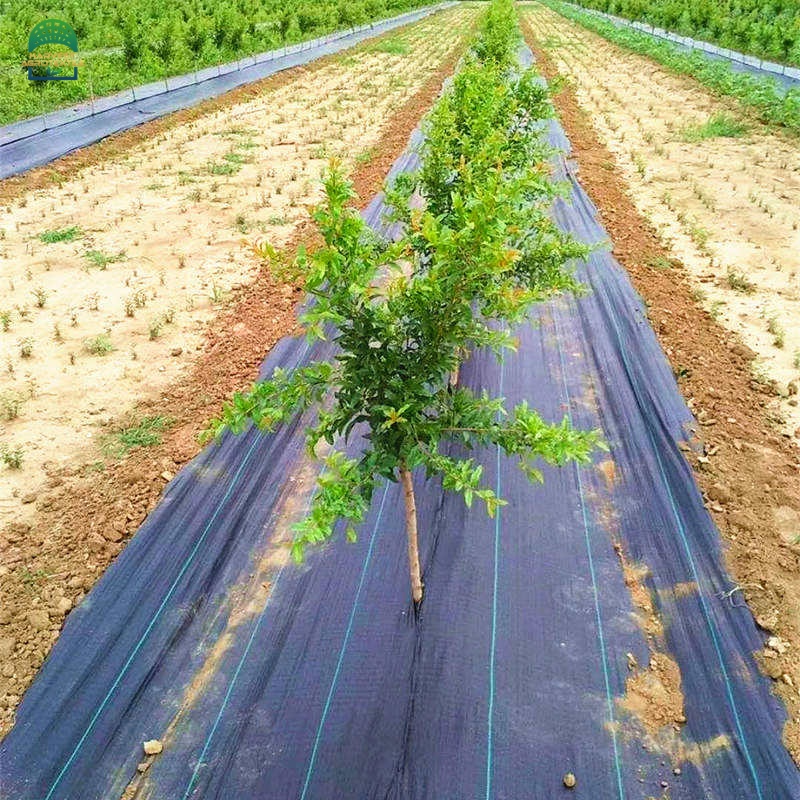 What Are Cover Crops?
Cover crops are plants grown primarily to benefit the soil rather than for harvest. In berry plantings, they are typically seeded between rows or during non-productive periods. Common cover crops include grasses, legumes, and flowering species that protect and improve the soil ecosystem.
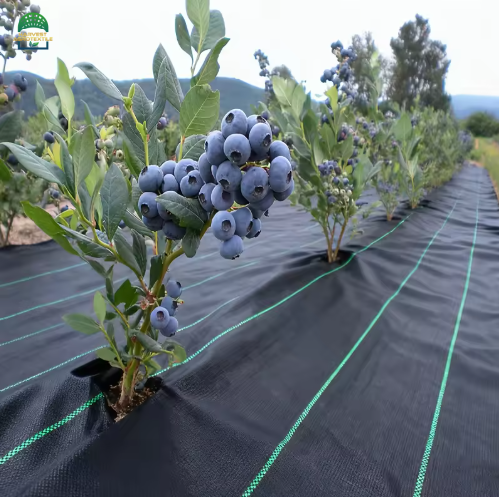
Why Use Cover Crops in Berry Plantings?
Berry crops are often perennial and remain in the field for many years. Over time, soil compaction, nutrient depletion, and weed pressure can reduce plant vigor. Cover crops help address these challenges in several ways.
1. Improve Soil Structure and Organic Matter
Cover crops develop extensive root systems that:
-
Reduce soil compaction
-
Increase soil porosity
-
Build organic matter when residues decompose
Healthier soil structure improves water infiltration and root development for berry plants.
2. Enhance Nutrient Cycling
Legume cover crops such as clover or vetch fix atmospheric nitrogen and release it slowly into the soil. Non-legume species can scavenge leftover nutrients, reducing leaching and making nutrients more available to berry roots over time.
3. Suppress Weeds Naturally
A dense cover crop canopy shades the soil surface, limiting weed germination. This reduces reliance on herbicides or frequent cultivation, especially important in organic or low-input berry systems.
4. Reduce Soil Erosion
Bare soil between berry rows is vulnerable to erosion from rain and wind. Cover crops protect the soil surface, helping maintain topsoil and prevent nutrient loss.
5. Support Beneficial Insects and Biodiversity
Flowering cover crops provide habitat and food for pollinators and beneficial insects. This can improve pollination efficiency and help naturally control pest populations in berry plantings.
Best Types of Cover Crops for Berry Systems
Choosing the right cover crop depends on your climate, soil type, and management goals.
Grasses
Examples: ryegrass, oats
-
Excellent for erosion control
-
Strong root systems improve soil structure
-
Effective at nutrient scavenging
Legumes
Examples: white clover, crimson clover
-
Fix nitrogen
-
Improve soil fertility
-
Low-growing options work well between berry rows
Broadleaf and Flowering Species
Examples: buckwheat, phacelia
-
Fast growth
-
Attract pollinators
-
Suppress weeds quickly
Many growers use cover crop mixes to combine multiple benefits in one planting.
How to Manage Cover Crops in Berry Plantings
Proper management is essential to avoid competition with berry plants.
Key management tips:
-
Select low-growing species for between rows
-
Mow regularly to prevent excessive competition
-
Avoid cover crops that host known berry pests or diseases
-
Time planting and termination carefully to match berry growth stages
In young berry plantings, cover crops should be managed conservatively. Established plantings generally tolerate more aggressive cover crop growth.
Cover Crops and Sustainable Berry Production
Cover crops are a cornerstone of sustainable berry farming. By improving soil health, reducing chemical inputs, and supporting beneficial organisms, they help create resilient production systems that perform well over the long term.
For growers facing rising fertilizer costs, soil degradation, or increasing environmental pressure, cover crops offer a proven and practical solution.
Cover crops for berry plantings are more than just a soil management tool—they are an investment in the long-term health and productivity of your farm or garden. With the right species selection and proper management, cover crops can lead to healthier soils, stronger berry plants, and more sustainable yields year after year.
NAVIGATION
—