


Protection From Birds: Why Netting is the Secret to a Bumper Blueberry Harvest
While many gardeners try visual scares like aluminum pans, “terror eye” balloons, or inflatable snakes, birds are highly intelligent. They quickly learn that these are not real threats and will eventually ignore them altogether. The only foolproof way to secure your harvest and stop these marauding birds is through exclusion, which is, physically preventing them from entering the blueberry patch by means of netting.
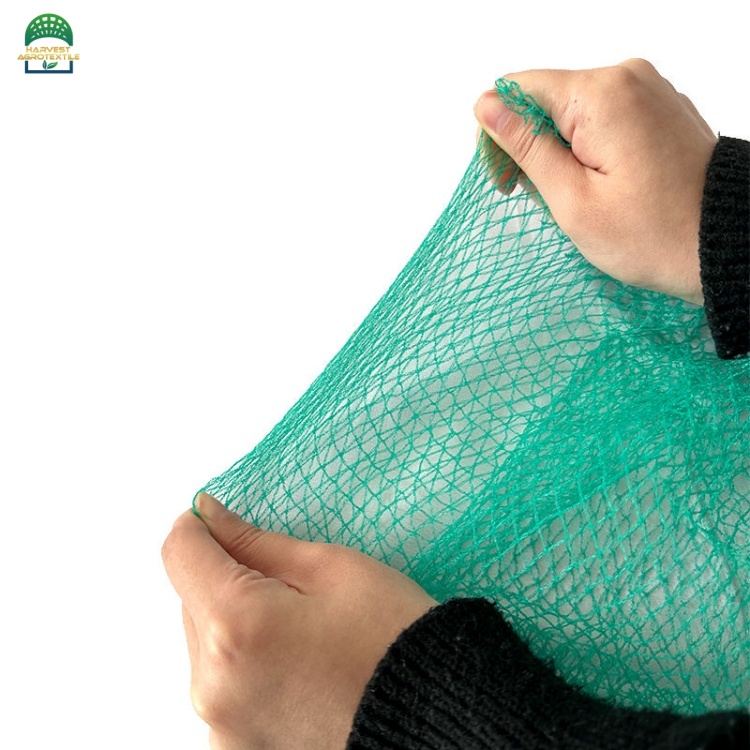
The Secret to Stress-Free Netting
The most common mistake backyard growers make is draping netting directly over the blueberry shrubs. This technique often leads to clusters getting tangled in the mesh, causing both ripe and unripe fruit to be ripped off during harvest — an experience that can challenge even the patience of Job.
Instead, building a simple frame, what you might call a “reverse aviary”, is the gold standard for bird protection. The idea is straightforward: erect a structure around your bushes so that the netting is held up and away from the fruit, giving you a clean, damage-free harvest every time.
Permanent vs. Temporary Structures
Once you decide to build a frame, the next question is whether you want something built to last or a setup you can take down in the off-season. Both approaches have real merits.
The Permanent Post-and-Wire System
For a long-term, heavy-duty solution, some growers install a permanent post-and-wire system. This involves using 9- to 10-foot pressure-treated 4×4 posts set at least 2.5 feet into the ground to provide strength and prevent winter heaving. For a typical 18×36-foot planting, posts should be spaced between 15 to 18 feet apart.
To protect your netting from the rough wood surfaces of the posts, a clever trick is to place the tops of 2-liter plastic beverage containers over each post head. Wire is then strung between these capped posts and crisscrossed in the center. Using flexible grape trellis wire or #11 galvanized wire secured loosely with fence staples allows for free movement. To keep the wires taut regardless of temperature changes, hang a brick from the end of each wire about 1 foot from the ground.
The Temporary PVC Frame
If you prefer a cleaner look during the off-season, a temporary frame is an ideal and cost-effective alternative. You can build a sturdy structure using ½-inch PVC conduit by inserting vertical poles into permanent 1-inch metal conduit bases — cut to 12-inch sections and set into the ground.
Aim for a cage that stands at least 7 feet high. This height is crucial, as it allows you to comfortably stand or even sit inside the structure while picking your berries — a small luxury that makes a big difference over a long harvest season.
Selecting the Right Mesh
The type of netting you choose depends on your specific variety and goals. Here is a breakdown of the most popular options:
-
Standard Bird Netting: Highly effective at excluding larger birds, but requires a frame to prevent berries from poking through the holes and getting damaged.
-
Mosquito Netting: Works well for side walls and provides a finer barrier that keeps even the smallest birds from squeezing through gaps.
-
Floating Row Cover: Stitching together long pieces of row cover to drape over bushes can work in a pinch, but it only lasts a few years before holes reduce its effectiveness, and lifting it off during harvest can be a real pain in the neck.
-
Pop-up Canopy Solutions: For smaller raised beds, a 10×10-foot pop-up canopy frame with the top cover replaced by 1-inch mesh netting makes for a durable and surprisingly portable “picking room.”
Critical Installation and Harvest Tips
Building the frame is only half the battle. Proper installation ensures your hard work is not undone by a determined bird or an accidental harvest mishap.
-
Wait for Pollination: Always apply your netting near the end of flowering, once the bees have done their job. Cover the bushes too early and you risk blocking pollinators, which means no fruit at all.
-
Seal the Perimeter: Cunning birds will find any gap and tunnel under loose edges. Make sure the netting reaches the ground on all sides and secure it firmly using sod staples, heavy bricks, or stacked firewood.
-
Use the Two-Person Rule: Once your frame is assembled, unroll the netting nearby and gather it to a manageable width before pulling it over the wires or PVC frame. This is almost always a two-person job to ensure even, wrinkle-free coverage.
-
Harvest From the Inside: To pick your fruit, you do not need to dismantle the whole system. Simply remove a few sod staples or bricks, crawl under the net, and pick from within the protected zone. This prevents the dreaded “flying berry” syndrome that happens when netting is yanked directly off the bushes.
Strategic Varieties and Timing
Protection needs vary depending on the type of blueberry you grow. High-bush varieties typically include early, mid-, and late-season options and a smart grower can plan their protection strategy around that natural progression.
-
Early Varieties: Duke, Earliblue, Patriot, and Spartan ripen first and are the primary targets for hungry birds early in the season, when other food sources are still scarce.
-
Mid-Season Varieties: Bluecrop, Bluejay, and Collins follow closely and require the most diligent protection, as bird populations tend to peak during this window.
-
Late-Season Varieties: Darrow and Rabbiteye species (common in southern regions) ripen later. Once you have finished harvesting your early bushes, simply move your temporary frames or shift the netting across to cover these later varieties.
Alternative Deterrents: When You Need an Extra Layer of Defense
While netting remains the only truly foolproof method, combining it with other tactics can give you an added edge during years of extreme bird pressure. Think of these as backup options, not replacements for proper exclusion.
-
Grape Kool-Aid Spray: Mix 4 packets of grape-flavored Kool-Aid in one gallon of water and spray the plants when the fruit begins to color. It contains methyl anthranilate, a compound that birds find deeply unpleasant but is harmless to humans and plants alike.
-
Sucrose (Table Sugar) Solution: Research from Cornell University shows that spraying a solution of 5 pounds of sugar dissolved in 2 quarts of water can significantly reduce bird damage. Birds cannot easily digest disaccharides like table sugar. A word of caution, though: this solution may attract Japanese beetles and yellow jackets, so use it judiciously.
-
Audio Scare Tactics: Propane cannons, radios, and recorded hawk calls have all been used with varying success. However, birds are adaptable creatures, they often grow accustomed to the sound within a few weeks and return to gorging on your berries with full confidence.
Take Back Your Garden
Growing blueberries should be a rewarding experience, not a season-long battle against the local bird population. When provided with the right soil conditions and consistent care, a well-protected blueberry planting can be incredibly productive and long-lived for decades, in fact.
By investing in a proper exclusion structure, you ensure to enjoy the fruits of your labor. Whether you are building a professional pergola-style enclosure or a simple PVC frame, the right netting makes all the difference.
For durable, premium agricultural netting specifically designed to safeguard your crops, Anhui Harvest Agrotextile Co., Ltd. offers a full range of UV-stabilized options built to withstand the elements year after year. Checkout our website to find the perfect netting for your garden and take the first step toward a truly bird-free harvest.