


How Different Shade Cloth (Sunscreen Net) Shading Ratios Impact Crop Growth: A Practical Guide for the Procurement Season
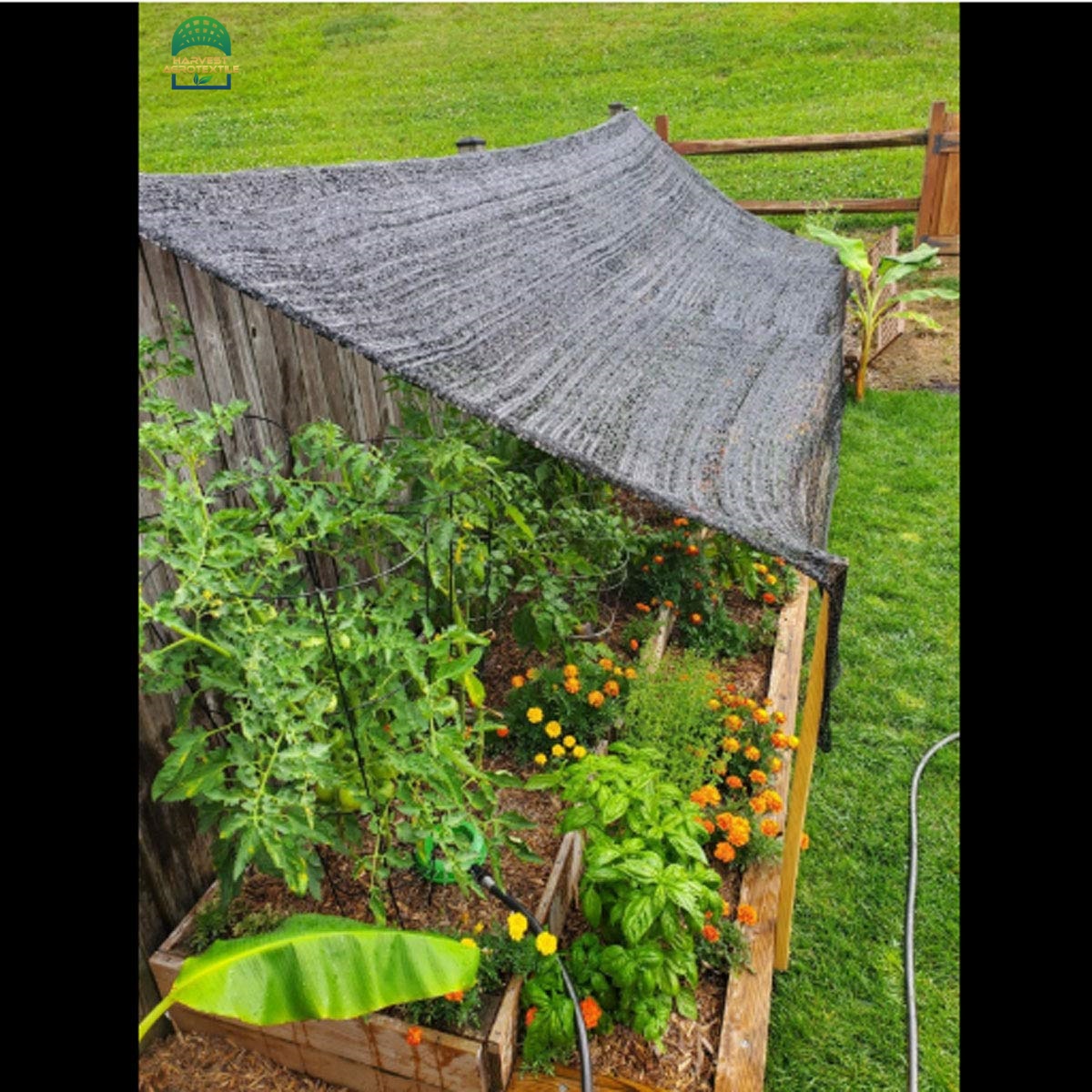 This quick guide explores how different shade percentages influence temperature, light intensity, water usage, and crop quality — helping you select the most suitable shade cloth based on crop type and environmental conditions.
What Is Shade Cloth and Why It Matters Now
Shade cloth, also known as sunscreen net or shade netting, is a woven or knitted material designed to reduce sunlight intensity and protect plants from excessive heat and UV radiation. During the sunscreen net procurement season — when demand increases in many agricultural regions — growers often evaluate shade cloth options to prepare for the upcoming growing cycle.
Choosing the right shading ratio (usually expressed as a percentage such as 30%, 50%, or 80%) directly influences growing conditions under the net. Understanding each ratio’s effect enables better crop performance and resource efficiency.
Understanding Shading Ratios
Shading ratio refers to the percentage of sunlight blocked by the shade cloth:
- Low Shading (20%–30%) — Light Reduction With Maximum Sunlight
Best for sun-loving crops such as tomatoes, peppers, cucumbers, and basil. Low shading nets allow a significant portion of sunlight, reducing heat stress while still maintaining strong photosynthesis. - Medium Shading (40%–60%) — Balanced Protection
Ideal for leafy vegetables, herbs, and young transplants. Medium shading lowers light intensity enough to reduce heat stress without severely limiting growth energy. This range is widely used in greenhouse and open-field production. - High Shading (70%–90%) — Maximum Heat and UV Protection
Suitable for shade-tolerant crops like lettuce, spinach, ornamentals, and during summer peaks in high-temperature regions. High shading offers maximum protection from heat, reducing water loss and leaf scorch.
Crop Performance Under Different Shade Percentages
Sunlight and Photosynthesis
Photosynthesis depends on light intensity. Too much sunlight can damage plant tissues, while too little reduces photosynthetic efficiency. A shade cloth with the right shading ratio balances light to support both plant health and yield.
- 20%–30% Shade Cloth: Allows more light — beneficial early in the season or in cooler climates.
- 50% Shade Cloth: Provides a middle ground — common for mixed vegetable production.
- 80% Shade Cloth: Ideal when extreme heat or intense UV rays risk crop damage.
Temperature Regulation
Shade cloth reduces the air and soil temperature under the canopy:
- Lower shading ratios moderate temperature moderately.
- Higher shading ratios can reduce temperatures significantly, which is crucial during heat waves or in tropical climates.
Water Use and Soil Moisture
Shade cloth also impacts evapotranspiration:
- With lower shading, water evaporation may be higher, increasing irrigation needs.
- Higher shading reduces evaporation, helping conserve water, especially in arid environments.
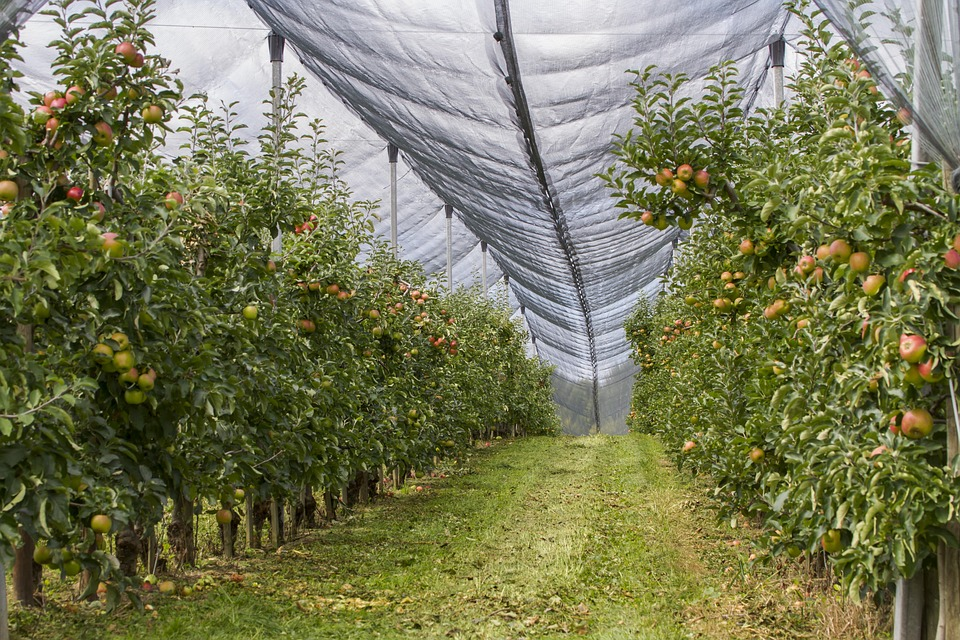 Choosing the Right Shade Cloth During Procurement Season
When procuring shade cloths this season, consider:
- Crop Type and Growth Stage:
- Young transplants may benefit from higher shading initially.
- Mature crops may need less shading to maximize growth.
- Regional Climate:
- Hotter, sunnier areas often require higher shading percentages.
- Cooler regions may use lower shading to allow more sunlight.
- Seasonality:
- Summer months typically demand stronger protection.
- Transitional seasons (spring/fall) may work well with medium shading.
- Material Quality and Durability:
- UV-stabilized materials last longer under strong sun.
- Woven nets may be more durable for long-term use.
Practical Tips for Shade Cloth Installation
- Ensure uniform tension across the frame to prevent sagging.
- Position shade cloth to maximize airflow and reduce heat buildup.
- Match shading ratio with seasonal shifts; consider using adjustable or interchangeable nets.
- Pair shade cloth with other tools like misting systems for optimal climate control.
Different sunscreen net shading ratios offer specific advantages based on crop type, climate, and seasonal challenges. As growers consider shade cloth procurement during this key season, understanding how 20%, 50%, and 80% shade nets affect light, temperature, and water use can improve planning, yield, and crop quality.
Selecting the right shade cloth now ensures your crops thrive throughout the growing cycle and protects your investment long-term.