

How to Choose the Right Net for Your Crop for Maximum Yield
Net is not just used to cover the crops, in fact it provides a controlled environment for your crops. It controls sunlight, temperature, airflow and pests. When you choose the right net according to your crop, climate and problem then your plants grow better and yield quality also improves. The right net helps you control growing conditions instead of depending on weather.
Start with Your Crop Needs First
If you ignore this main thing and select any random net for your crops, it will badly affect the growth of it. More shade can also reduce the process of photosynthesis and less protection can make the plants a victim of stress and damage.
Before buying a net for your plants, always study about how much sunlight your crop needs, the plant is sensitive or strong or if it needs protection from heat or pests to make the ideal choice.
Identify the Main Threats to Your Crops
As we know that it is important to understand what you are protecting your crop from. So here we have mentioned 3 main threats which your crops may have to face.
Insects: Aphids, whiteflies and beetle leaves damage the leaves and also reduce the yield.
Birds: These eat seeds, fruits and young plants.
Weather: Excessive heat, wind, hail and heavy rain also damage the crops.
For every prob;em you have to use a different net. If your issue is pests then you should choose insect net and if heat is the problem then shade net is useful.
Types of Agricultural Nets You Should Know
To make the right decision, you need to understand the main types of nets available.
 1) Shade Nets
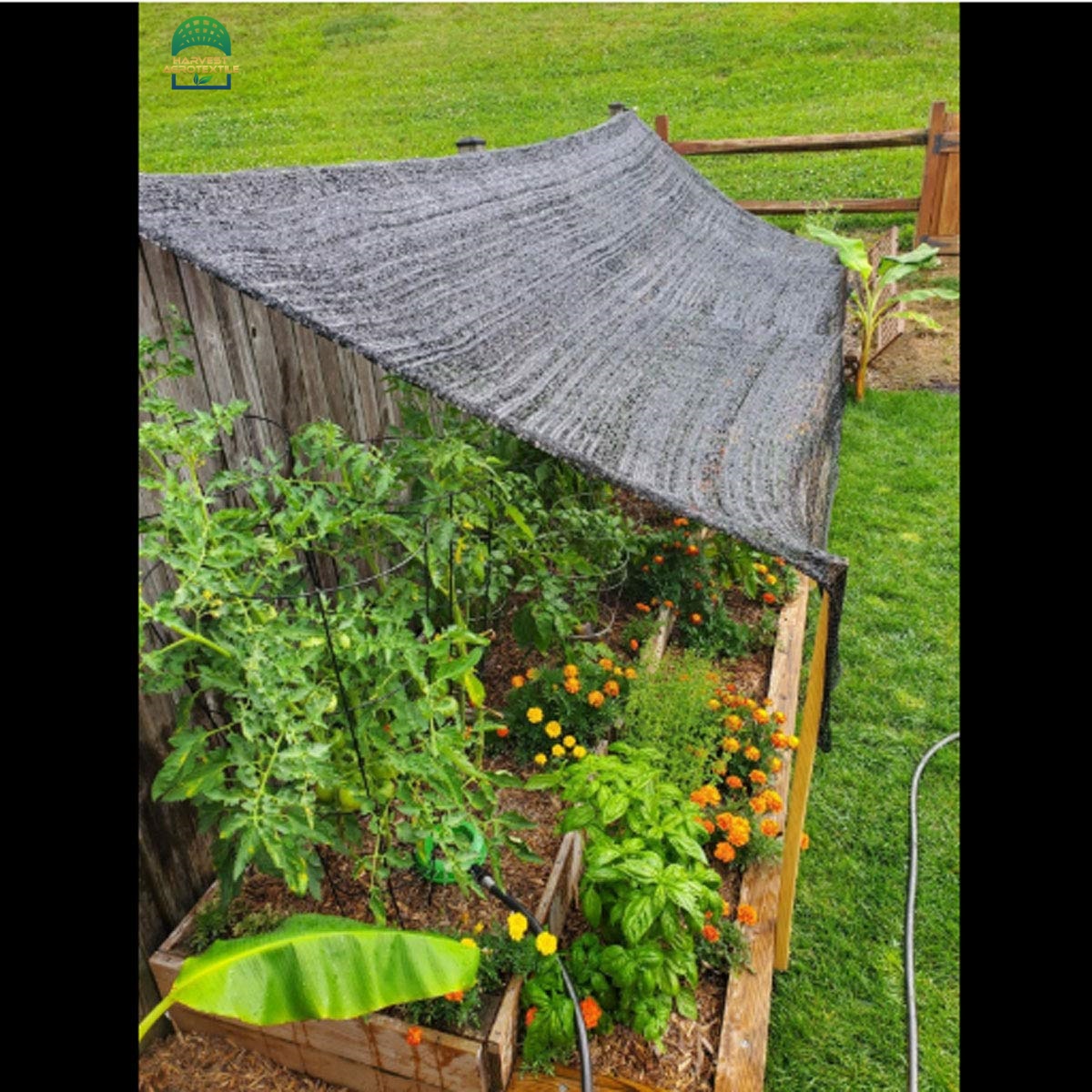
These are used to control sunlight and reduce heat. They come in different shade percentages from 20% to 90%. Shade nets help prevent sunburn, reduce water loss, and keep plants cool.
 2) Insect Nets
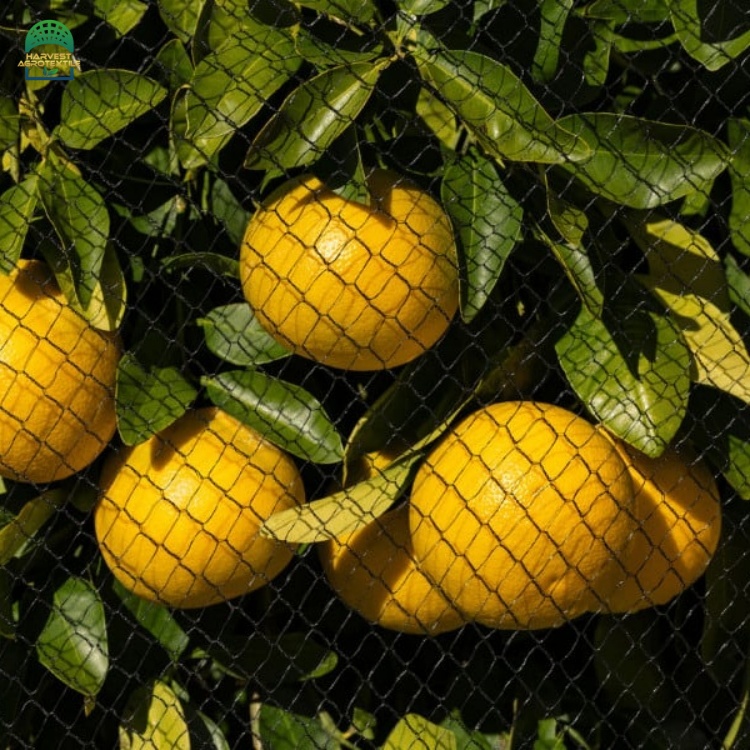
These nets have a fine mesh that blocks pests while allowing air and light to pass through. They reduce the need for pesticides and support healthier crops.
3) Bird Nets
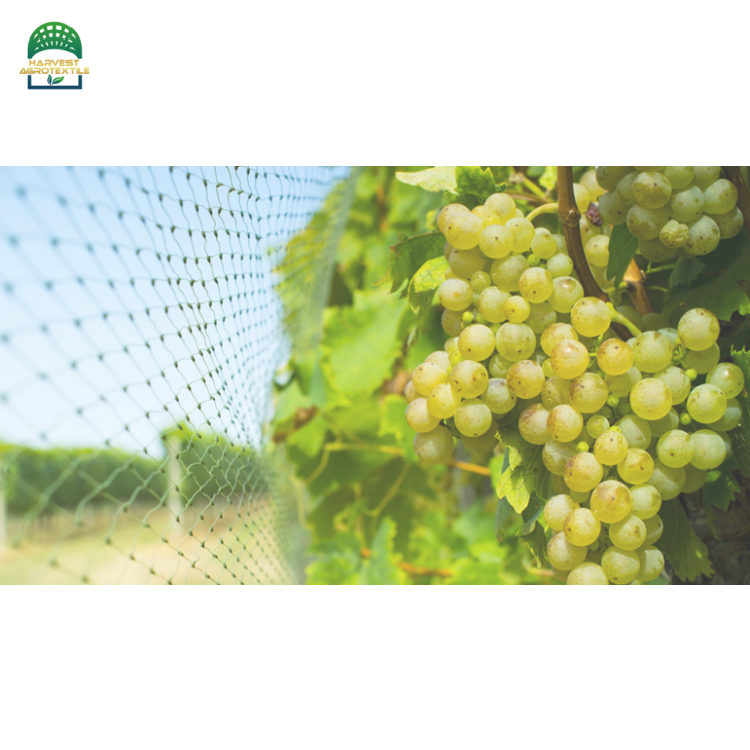
Bird nets protect fruits and seeds from birds. They usually have larger mesh sizes that keep birds out but allow pollination.
 4) Hail Protection Nets
These are strong nets that protect crops from hail damage. They are commonly used in orchards and vineyards.
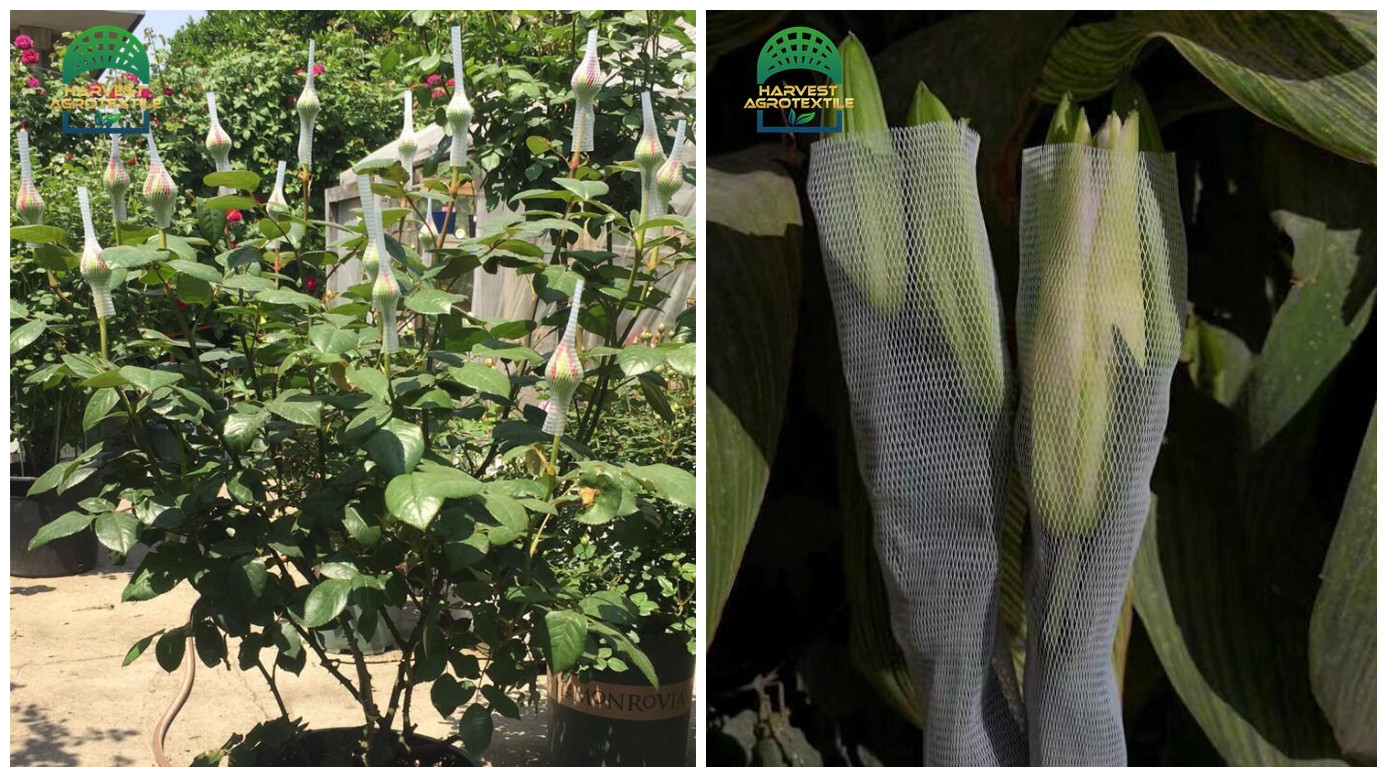 5) Support Nets
These nets are especially useful for improving plant structure and saving space. Used for crops like tomatoes and cucumbers, these nets help plants grow vertically and improve airflow and sunlight exposure.
Understanding Shade Percentage and Density
Shade percentage shows how much sunlight a net blocks. For example, a 50% shade net blocks half of the sunlight and lets the rest pass through. This factor directly affects how your plants grow.
Different crops need different levels of shade. Sun-loving plants usually need light shade around 20–30%, while most vegetables grow well with 30–50% shade. Crops that need more protection can work better with 50–70% shade, and very sensitive plants may require up to 70–90%.
If you use too much shade, your plants may not get enough light and their growth will slow down. If you use too little, they can suffer from heat stress or sunburn. The key is to find the right balance so your crops get enough light while staying protected. Choosing the right shade level directly affects crop yield and quality.
Importance of Mesh Size for Crop Protection
Mesh size is a very important factor when choosing the right net because it decides what can pass through and what stays out. If the mesh size is not correct, your net will not protect your crops properly.
Fine mesh nets are used to block small insects like aphids and whiteflies. Medium mesh works well for stopping birds while still allowing air and light to pass through. Stronger and thicker mesh is useful for protecting crops from harsh weather like wind or hail.
For example, insect nets usually come with 40–60 mesh to keep out tiny pests, while bird nets have larger openings to allow airflow but stop birds from entering. If you choose the wrong mesh size, pests or animals can still reach your crops, and your net will not do its job effectively.
Why Material and Quality Matter When Choosing a Net
Most good quality nets are made from HDPE (High-Density Polyethylene). This material is strong, lightweight, and can handle different weather conditions without getting damaged easily.
High-quality nets also come with UV protection, which helps them stay strong even after long exposure to sunlight. Without UV protection, nets can become weak and break quickly.
A good quality net will last longer, protect your crops better, and save money over time because you will not need to replace it again and again. Cheap nets may seem like a good option at first, but they usually wear out quickly and end up costing more in the long run.
How to Choose Net Color Based on Climate Conditions
The color of your net and climate decides about how much heat or sunlight your crops will get. Black nets absorb more heat. They work best in the cooler areas where the plants require extra warmth . On the other hand, white nets reflect sunlight, so that is why they are a better option for hot climates. Some colored nets change the light quality which supports plant growth.
Besides color, we should also not ignore the climate. In hot and sunny areas we require more shade percentage to save the crops from heat. However, in cooler regions, lesser shaded nets are used so that the plants can get maximum sunlight. In windy areas, choose strong and durable nets. When we choose the net according to the color and type, the plants grow better and yield also improves.
How to Install and Maintain Your Net Properly
If your net is not installed properly it will never give you the required results. No matter how good the quality of the net is, installation needs to be perfect. Always fix the net tightly so it will never loose later and wind can also not disturb its position. You can use strong poles, wires or frames to make it stable.
Also leave some space as well for the plants to grow there. Do regular maintenance of your net to avoid any long term damage. Also clean your net when it gets dirty and also repair small tears as soon as possible. If the net is properly installed and maintained, it will last longer and will give the best results of your crops.
Focus on Value & Not Just Price
Many people only look at the price when buying a net, but the real thing that matters is the value it gives over time. Cheap nets may cost less at the start, but they usually get damaged quickly.
On the other hand, high-quality nets last longer and protect crops better. This means healthier plants, less damage, and better yield. In the long run, you actually save more money because you do not have to replace the net frequently.
Investing in the right net is a smart decision because it improves your overall return. Companies like Anhui Harvest Agrotextile Co., Ltd. provide reliable netting solutions that balance quality and cost.
Common Mistakes to Avoid
Farmers make minor mistakes while using nets which reduces their effectiveness and gives bad results on crops. It is important to understand them to make the right decision:
-
Avoid choosing a net according to your needs because it will never give you the required result.
-
Never ignore the requirements of your crops like the need for light and protection because ignoring this can affect the yield of your crops.
-
Always fix your net properly because wind can damage it if it is poorly installed.
-
Update your nets according to the season because the requirements also change with weather.
-
Never ignore the maintenance of your net as it will affect the performance .
Conclusion
In the end, choosing the right net is about solving your real problem, not just buying any net. Whether your issue is heat, pests, or weather, your net should match your crop and its needs. Even a small mistake in shade or mesh can affect your results. Think of netting as a way to control your growing conditions. When light, air, and protection are balanced, plants grow better and stay healthy. This leads to better yield and less damage. Take time to choose the right net from the start. A good choice saves money, reduces stress on crops, and gives you better results every season.