

How to Choose the Right Net for Your Crop
In modern farming, passive hope is not a strategy. Whether you are managing a small organic vineyard or an industrial-scale fruit orchard, your crops face a constant barrage of threats from birds, insects, and harsh weather. High-quality physical barriers have become the gold standard for growers who want to reduce their reliance on chemical pesticides while ensuring high yields. At Anhui Harvest Agrotextile Co., Ltd., we understand that netting is not a one-size-fits-all product. Choosing the wrong material or mesh size can lead to poor ventilation, insufficient light, or, in the worst cases, a failed defense against pests. To make an informed decision, you must evaluate the specific biology of your crop and the local environmental pressures of your region.
Identifying the Primary Threat
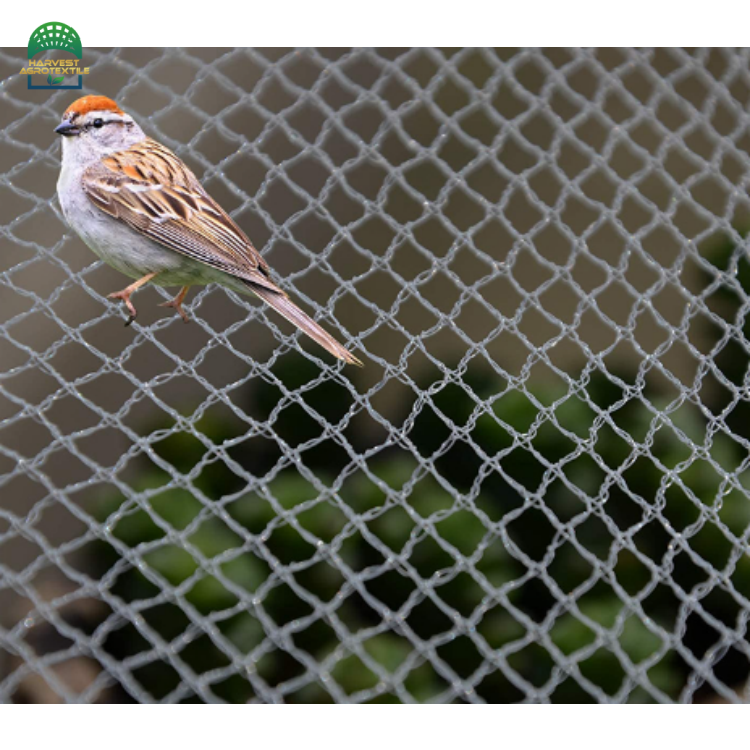
The first step in choosing the right net is to identify exactly what you are trying to keep out. If your main concern is avian pests, bird netting is the logical choice. However, not all bird nets are the same. For larger birds like crows or pigeons, a wider mesh of 15mm to 20mm is usually sufficient and allows for maximum airflow. If you are dealing with smaller, more persistent songbirds that target berries, you will need a tighter mesh.
For those facing pressure from smaller pests, insect netting is a technical requirement. This is where precision matters most. Insects such as thrips, aphids, and fruit flies require specific mesh counts. If the mesh is too large, the insects enter freely. If it is too dense, you risk creating a microclimate that is too humid, which can encourage fungal growth and root rot. Finding that balance is key to a healthy greenhouse or field. You can browse various technical specifications for these barriers on our website to see which mesh count aligns with your specific pest profile.
Material Quality and Durability
Once you know the mesh size you need, you must look at the physical composition of the net. Most professional-grade nets are made from High-Density Polyethylene (HDPE). This material is preferred because it is strong, lightweight, and does not absorb water. However, the most critical factor for longevity is UV stabilization. Because these nets sit under the direct sun for months or years at a time, the plastic will eventually become brittle and break if it is not treated with UV inhibitors.
When you source your materials from Anhui Harvest Agrotextile Co., Ltd., you are looking at products designed to withstand intense solar radiation and high winds. A net that lasts five seasons is far more cost-effective than a cheaper alternative that degrades after one year. You should also consider the weight of the net, usually measured in grams per square meter (GSM). A higher GSM typically indicates a thicker, more durable thread, which is vital for areas prone to heavy hail or high-velocity winds.
Light Transmission and Color
The color of your netting is not an aesthetic choice; it is a physiological one for your plants. White netting is commonly used because it reflects a portion of the solar radiation, which can help keep crops cool in hot climates while still providing excellent light diffusion. Black netting, on the other hand, is often more UV-resistant and provides more shade, which is beneficial for crops that are sensitive to direct sunlight.
There are also specialized photo-selective nets that can manipulate the spectrum of light reaching the plant. These can influence fruit ripening, branch length, and even the sugar content of certain fruits. By choosing the right shade percentage—ranging from 10 percent for light protection to 70 percent for shade-loving plants—you can essentially customize the environment to suit the needs of your specific cultivar.
Proper Installation and Maintenance
Even the highest quality net will fail if it is installed incorrectly. For bird protection, a "drape" method is common for individual rows, but a full enclosure system or a "top net" structure is often better for long-term management. You must ensure there are no gaps at the ground level where pests can crawl underneath. Furthermore, the tension of the net is important. If the net is too loose, it can flap in the wind and tear against the support structures. If it is too tight, the fibers may be under constant stress, reducing the overall lifespan of the material.
Maintenance is the final piece of the puzzle. After the harvest is over, it is a good practice to inspect the nets for any small tears or points of wear. Repairing these early prevents them from becoming large holes that birds will inevitably find. If the nets are seasonal, ensure they are cleaned of organic debris and stored in a cool, dry place away from rodents. For year-round installations, check the tensioning wires and support poles to ensure the entire system remains structural.
Final Thoughts
Choosing the right netting is one of the most effective ways to secure your farm's productivity. By focusing on the specific pests you face, the durability of the HDPE material, and the light requirements of your plants, you can create a protective environment that pays for itself in just one or two seasons. Anhui Harvest Agrotextile Co., Ltd. remains dedicated to providing the technical expertise and high-quality materials needed for successful modern agriculture. Visit www.agrotextilenet.com today to explore our full range of professional netting solutions and find the perfect match for your upcoming growing season.